
Croatia Travel Guide 2026: Best Coastal Cities, Islands, Food & Adriatic Experiences
Why Croatia Still Feels Different From the Rest of the Mediterranean
There are plenty of beautiful countries along the Mediterranean coast, but Croatia offers something many destinations have slowly lost over the years: atmosphere that still feels genuine. Travelers usually arrive expecting turquoise water, medieval towns, and island beaches. What surprises most people is how personal the experience feels once they actually begin moving through the country.
In one part of Croatia, you can spend the morning walking through Roman ruins where locals still live inside centuries-old stone buildings. A few hours later, you might be swimming beside quiet islands covered in olive groves before ending the evening eating grilled seafood in a family-run tavern near the harbor. The transition between history, nature, and everyday coastal life feels effortless here.
What makes Croatia especially appealing in 2026 is the variety packed into a relatively small country. The Dalmatian Coast delivers dramatic medieval cities and island hopping, while inland regions offer waterfalls, forests, vineyards, and slower rural experiences that many travelers completely overlook. Unlike destinations that revolve entirely around tourism, much of Croatia still feels lived in. Fishermen continue working small harbors before sunrise. Local markets still shape daily routines. Evening cafés stay full for hours because people genuinely linger rather than rush.
Croatia also adapts well to different types of travelers. Some visitors come for luxury yachts and beach clubs in Hvar. Others prefer quiet stone towns in Istria or hiking trails through Plitvice Lakes National Park. Couples often choose Croatia for its romantic coastal atmosphere, while solo travelers and families appreciate how safe and easy the country feels compared to many other European summer destinations.
Another reason Croatia continues gaining popularity is accessibility. Ferries connect most major islands efficiently, roads along the Adriatic coastline are scenic and modern, and the country now operates fully on the Euro, making travel simpler for international visitors. Despite rising tourism, Croatia still manages to offer moments that feel calm and authentic, especially outside peak July and August crowds.
The best experiences in Croatia usually happen between major attractions. Long waterfront dinners that stretch late into the evening. Quiet morning walks through marble alleyways before cruise ships arrive. Ferry rides between islands where the Adriatic turns impossibly blue under clear Mediterranean sunlight. Croatia is the kind of destination that slowly changes pace rather than overwhelming visitors with nonstop activity.
For travelers planning a European coastal trip in 2026, Croatia remains one of the strongest choices for combining scenery, history, food, island life, and genuine local atmosphere in a single journey.
👉 BOOK THE BEST CROATIA HOTELS & SEASIDE APARTMENTS
Croatia Travel Guide 2026: Quick Planner
| Destination | Best For | Top Experience | Budget Level |
|---|---|---|---|
| Dubrovnik | Historic beauty & luxury travel | Walking the ancient city walls | 💰💰💰💰 |
| Split | Culture & nightlife | Exploring Diocletian’s Palace | 💰💰💰 |
| Hvar | Islands & beach life | Boat trips around Pakleni Islands | 💰💰💰💰 |
| Rovinj | Romance & food | Harbor dining at sunset | 💰💰💰 |
| Plitvice Lakes | Nature & hiking | Wooden trails above waterfalls | 💰💰💰 |
Dubrovnik: Croatia’s Most Famous Coastal City
Few places in Europe create a first impression quite like Dubrovnik. Massive medieval walls rise directly above the Adriatic Sea, surrounding an Old Town built almost entirely from pale stone and terracotta rooftops. Even travelers who have seen thousands of photos online are usually surprised by how dramatic the city feels in person.
The best time to experience Dubrovnik is early morning. Around 7:30 or 8:00 AM, the marble streets remain relatively quiet while café owners prepare outdoor seating beneath old stone archways. At that hour, the city feels less like a tourist destination and more like a real coastal town slowly waking up for the day.
Walking the city walls remains Dubrovnik’s signature experience for good reason. The full loop takes roughly two hours and offers constant views of the Adriatic coastline, hidden courtyards, church towers, and red rooftops stretching toward the sea. During summer afternoons the heat can become intense, which is why experienced travelers usually start the wall walk as early as possible.
Beyond the main streets, Dubrovnik becomes far more interesting once you explore the side staircases and narrow residential alleys climbing away from Stradun, the city’s main promenade. Laundry hangs between old buildings, cats sleep beside flower pots, and small local bars hide beneath stone terraces overlooking the water. These quieter corners often leave a stronger impression than the major landmarks themselves.
Game of Thrones tourism still brings huge numbers of visitors to Dubrovnik, but the city offers far more than filming locations. The architecture reflects centuries of Venetian, Byzantine, and Mediterranean influence, while the harbor area still retains traces of old maritime culture that shaped Dubrovnik’s identity long before modern tourism arrived.
Evenings transform the city completely. Once cruise passengers leave, the atmosphere becomes calmer and far more enjoyable. Restaurants begin serving fresh seafood, local wine, black risotto, and Dalmatian-style grilled dishes beside candlelit stone walls. The sound of live music drifts through the alleys while the sea reflects against the cliffs below the Old Town.
👉 BOOK TOP-RATED DUBROVNIK SUNSET CRUISES & CITY TOURS
Dubrovnik Travel Tips for 2026
- Walk the city walls before 9:00 AM
- Stay at least one night inside or near the Old Town
- Visit between May–June or September for fewer crowds
- Wear comfortable shoes because stairs are everywhere
- Book accommodations months ahead during summer
Split: The Best Mix of History, Local Life & Nightlife 2026
Where Dubrovnik feels polished and cinematic, Split feels energetic and lived in. Croatia’s second-largest city revolves around Diocletian’s Palace, a massive Roman complex built nearly 1,700 years ago that still functions as part of everyday city life.
That’s what makes Split different from many historic destinations. The ruins are not isolated monuments separated from local life. Inside the palace walls, people still live in apartments, drink coffee in old courtyards, shop at local stores, and walk through Roman passageways on their way to work.
Mornings in Split usually begin slowly. Locals gather for espresso along the Riva waterfront promenade while ferries move between nearby islands in the harbor. The city has a more relaxed personality than Dubrovnik, and many travelers end up staying longer than originally planned because the atmosphere feels easier and less formal.
One of the best ways to experience Split is simply wandering without a strict itinerary. Some alleyways suddenly open into tiny squares filled with restaurants, while others lead toward hidden staircases, local bakeries, or centuries-old stone courtyards. The city rewards slow exploration far more than rushing between landmarks.
Split also works extremely well as a transportation hub for island hopping. Ferries connect the city with Hvar, Brač, Vis, Korčula, and several smaller islands throughout the Adriatic. Because of this, many travelers use Split as a base for exploring central Dalmatia.
Food plays a major role in the city’s identity. Local konobas serve traditional Dalmatian dishes including grilled octopus, fresh sardines, seafood pasta, and Crni Rižot — Croatia’s famous black risotto made using cuttlefish ink. The green market near the palace also offers a good introduction to local cheeses, olive oils, dried figs, and regional wines.
At night, Split becomes noticeably more social. Young travelers, locals, and families fill the waterfront while bars and restaurants stay busy late into the evening. Despite growing tourism, the city still feels authentic in ways many Mediterranean destinations no longer do.
👉 DISCOVER THE BEST SPLIT ISLAND-HOPPING TOURS
Best Things To Do in Split
- Explore Diocletian’s Palace
- Visit Marjan Hill for coastal views
- Take a ferry to nearby islands
- Try traditional Dalmatian seafood
- Walk the Riva promenade at sunset
👉 BOOK BLUE CAVE BOAT TOURS & HVAR ISLAND EXCURSIONS
Hvar Travel Tips
- Visit outside peak August crowds if possible
- Rent a scooter for inland exploration
- Book ferries in advance during summer
- Spend at least two nights on the island
- Explore smaller villages beyond Hvar Town
Rovinj: Croatia’s Most Romantic Coastal Town
In northern Croatia, the Istrian Peninsula offers a completely different atmosphere from the southern Dalmatian Coast. Rovinj, the region’s most famous town, feels closer to Italy than what many travelers expect from Croatia.
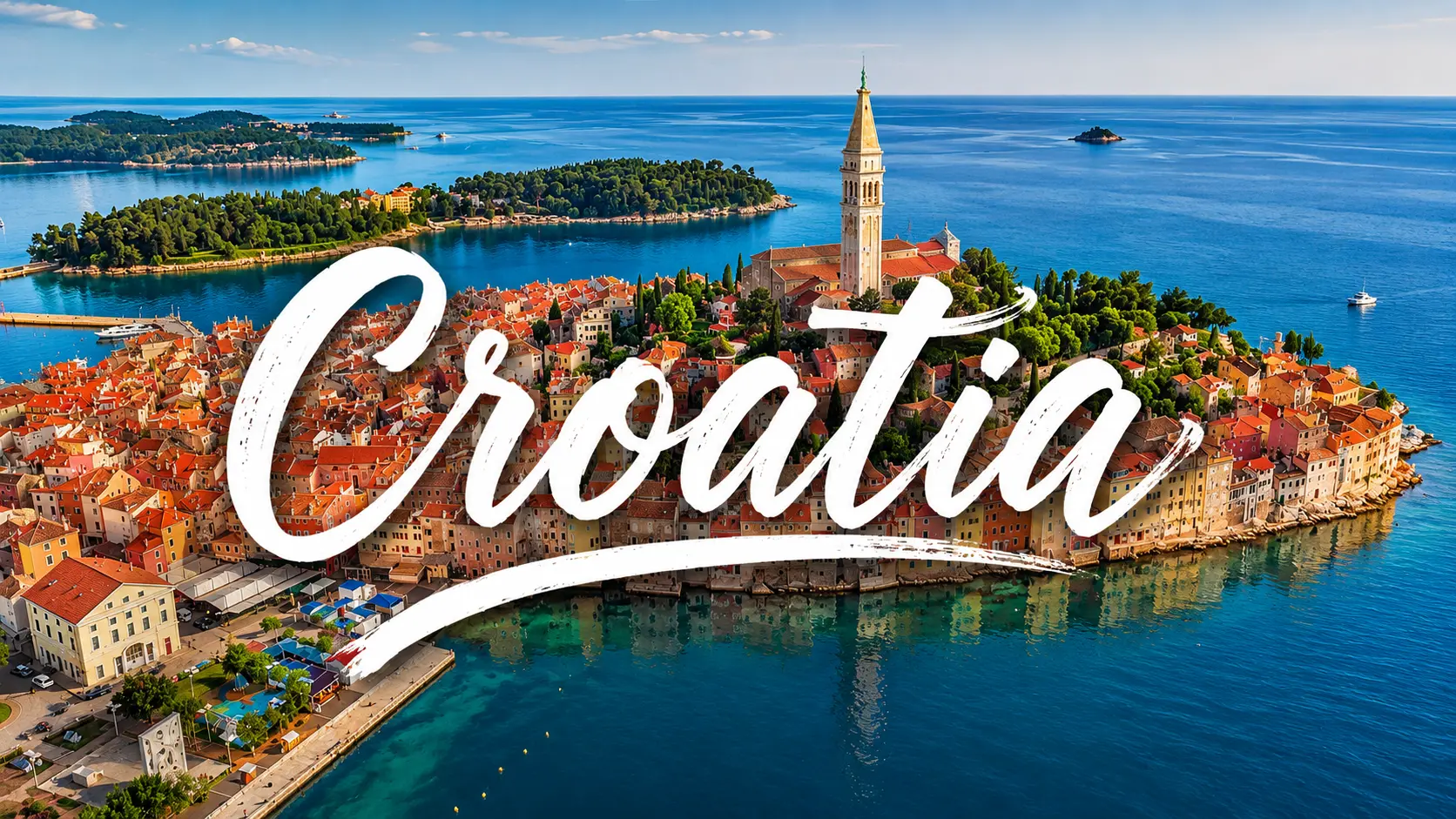
Colorful buildings rise directly above the water while narrow cobblestone streets curve uphill toward the Church of St. Euphemia overlooking the harbor. Venetian influence appears everywhere, from the architecture to the food and slower café culture.
Rovinj works best for travelers who prefer atmosphere over fast-paced sightseeing. There are no major bucket-list attractions demanding constant movement. Instead, the town encourages long walks, relaxed dinners, local wine tastings, and quiet evenings beside the marina.
The old town is filled with small art galleries, seafood restaurants, wine bars, and narrow alleyways where laundry still hangs between stone buildings. During summer evenings, tables spread across the waterfront while fishing boats return slowly to the harbor beneath soft coastal light.
Food is one of the strongest reasons to visit Rovinj. Istria has become known for truffles, olive oil, seafood, and regional wines like Malvazija and Teran. Many restaurants focus heavily on local ingredients, and even simple dishes often feel fresher and less commercialized than in larger tourist centers.
The surrounding countryside adds another layer to the experience. Vineyards, olive groves, and hilltop villages create excellent day-trip opportunities for travelers renting a car through Istria.
👉 EXPLORE ISTRIA WINE TOURS & ROMANTIC ROVINJ EXPERIENCES
Why Travelers Love Rovinj
- Romantic atmosphere without heavy crowds
- Excellent seafood and wine culture
- Italian-influenced architecture
- Walkable old town
- Relaxed pace compared to Dubrovnik
Plitvice Lakes National Park: Croatia Beyond the Coast
Although Croatia is internationally famous for islands and seaside cities, Plitvice Lakes National Park remains one of the country’s most impressive natural experiences.
The park contains interconnected lakes linked by waterfalls and wooden walkways crossing directly above crystal-clear water. Colors constantly shift throughout the day depending on weather and sunlight, ranging from emerald green to bright turquoise and deep blue.
Walking through Plitvice feels immersive rather than overly commercialized. Dense forests surround the lakes while waterfalls echo throughout the park. Some trails remain quiet and shaded, while others suddenly open toward massive panoramic cascades that feel almost unreal in person.
Early mornings usually provide the best experience, especially during summer. Crowds increase significantly by midday, particularly near the lower lakes and major waterfalls. Shoulder seasons like May, June, and September offer the ideal balance between weather and visitor numbers.
Travelers should also understand that Plitvice requires more walking than many expect. Comfortable shoes are essential, and exploring the park properly can easily take an entire day.
One important update for 2026: visitors now need advance timed-entry tickets during most of the year. Last-minute entry becomes difficult during peak travel periods.
👉 RESERVE PLITVICE LAKES GUIDED DAY TOURS
Plitvice Lakes Tips
- Book tickets online early
- Arrive near opening time
- Wear hiking-friendly shoes
- Avoid peak midday crowds
- Stay overnight nearby if possible
Best Time To Visit Croatia in 2026
The best months to visit Croatia are generally May, June, and September.
During these shoulder-season periods:
- temperatures remain warm
- ferry schedules operate normally
- beaches are less crowded
- prices are lower than peak summer
- cities feel more relaxed
July and August bring hotter weather, nightlife, festivals, and busy beaches, but also larger crowds and significantly higher accommodation costs, especially in Dubrovnik and Hvar.
For travelers focused on sightseeing rather than swimming, late spring and early autumn usually provide the best overall experience.
👉 PLAN YOUR DREAM CROATIA ADVENTURE TODAY
Croatia Travel Costs in 2026
Croatia is no longer considered a cheap Mediterranean destination, especially after adopting the Euro and experiencing rapid tourism growth.
Average daily travel costs:
- Budget traveler: €70–120
- Mid-range traveler: €150–300
- Luxury traveler: €400+
Dubrovnik and Hvar remain the country’s most expensive destinations during summer, while inland regions and smaller coastal towns still offer better value.
Travelers can reduce costs significantly by:
- traveling in shoulder season
- booking ferries early
- staying outside Old Town areas
- using local konobas instead of tourist restaurants
The Perfect 7-Day Croatia Itinerary
Day 1 — Arrive in Rovinj
Explore the old town, enjoy harbor views, and try local Istrian wine.
Day 2 — Visit Plitvice Lakes
Spend the day hiking through waterfalls and lakes before continuing south.
Day 3 — Explore Split
Visit Diocletian’s Palace and experience Split’s waterfront nightlife.
Day 4 — Ferry to Hvar
Relax on beaches and explore nearby islands by boat.
Day 5 — Discover Hvar’s Villages
Drive through lavender fields and quieter coastal areas.
Day 6 — Arrive in Dubrovnik
Walk the Old Town and enjoy sunset views from Mount Srđ.
Day 7 — Final Dubrovnik Experiences
Relax at the beach or visit Lokrum Island before departure.
Frequently Asked Questions About Croatia
Is Croatia safe for tourists?
Yes. Croatia remains one of Europe’s safest travel destinations for solo travelers, couples, and families.
What currency does Croatia use?
Croatia officially uses the Euro (€).
Do I need a car in Croatia?
Not necessarily for cities and islands, but a rental car helps significantly for road trips and rural areas.
Is Croatia expensive?
Prices have increased in recent years, particularly along the coast during summer, but Croatia can still offer good value outside peak season.
How many days do you need in Croatia?
A minimum of 7 days works well for first-time visitors, though 10–14 days allows for a much more relaxed experience.
👉PLAN YOUR DREAM CROATIA ADVENTURE TODAY
Final Thoughts
Croatia succeeds because it offers more than beautiful scenery. The country combines island life, historic cities, excellent food, and a slower Mediterranean rhythm that many travelers find increasingly difficult to locate elsewhere in Europe.
Some destinations impress visitors for a few hours before becoming repetitive. Croatia tends to do the opposite. The longer travelers stay, the more rewarding the experience usually becomes. Small moments — morning espresso near the harbor, ferry rides between islands, quiet walks through old stone streets after dinner — often become the memories people talk about long after returning home.
For travelers planning a Mediterranean escape in 2026, Croatia remains one of Europe’s strongest all-around destinations for coastal scenery, culture, food, history, and authentic atmosphere without sacrificing comfort or accessibility.
👉 Read the full travel guide here:Ultimate Slovenia Travel Guide 2026: Amazing Places to Visit
👉 Have a question or feedback?
Leave us a message below — we value your input 100%
✅ Travel Deals You Should Check
- ✅ Get the best flight deals and save money ✈️
Discover unbeatable flight deals - ✅ Find top-rated hotels at the best prices 🏨
Browse affordable flight options - ✅ Compare travel options instantly 🔎
Compare cheap flights worldwide - ✅ Discover amazing tours and experiences 🌍
Find budget-friendly airfare - ✅ Stay connected anywhere with travel eSIM 📶
Search the best flight prices - ✅ Protect your trip with reliable insurance 🛡️