
Find Cheap Flights & Hotels
Search and book the best flight deals for your next trip.
Estonia Travel Guide 2026: Best Places to Visit, Budget Tips & Baltic Hidden Gems
Most people planning a Europe trip focus on places like Paris, Rome, or Prague. Estonia usually gets ignored. Honestly, that is part of the reason it still feels enjoyable to visit.
This Estonia Travel Guide 2026 covers medieval cities, quiet forests, Baltic coastlines, and some of the country’s most underrated places in Northern Europe.
This small Baltic country sits between Scandinavia and Eastern Europe, and somehow manages to feel connected to both without fully resembling either. You get medieval cities, quiet forests, long coastlines, Soviet leftovers, modern cafés, and surprisingly fast internet almost everywhere. It is one of the easiest countries in Europe to travel around without spending a fortune.
And despite becoming more popular over the last few years, Estonia still feels calmer than most European destinations. Outside Tallinn’s busiest summer weeks, you rarely feel trapped in tourist crowds for long.
One thing that surprised me the first time was how quickly the scenery changes. You can spend the morning wandering through medieval alleyways and end the evening sitting beside a silent bog surrounded by pine trees. Few countries switch moods that fast.
Whether you are traveling solo, backpacking across the Baltics, or just looking for somewhere different that is still easy to navigate, Estonia is hard not to like.
👉 Compare hotels and flight prices for Estonia here.
Estonia Travel Guide 2026: Quick Planner
| Destination | Best For | Top Experience | Budget |
|---|---|---|---|
| Tallinn | Medieval streets & cafés | Walking through Old Town early in the morning | 💰💰 |
| Tartu | Student culture & local life | Exploring Supilinn | 💰 |
| Pärnu | Beaches & spas | Baltic coastline walks | 💰💰 |
| Saaremaa | Nature & island life | Kuressaare Castle | 💰💰 |
| Lahemaa National Park | Hiking & outdoors | Viru Bog Trail | 💰 |
| Narva | Border culture & Soviet atmosphere | Hermann Castle views | 💰 |
| Viljandi | Folk culture & lakeside scenery | Castle hills and summer festivals | 💰 |
Tallinn: Medieval Streets, Coffee Shops, and Cruise Crowds
Tallinn is one of those cities that photographs extremely well, but it actually feels better in person — especially early in the day before the tour groups arrive.
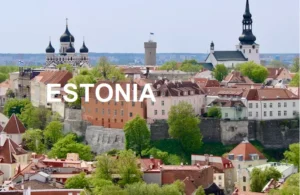
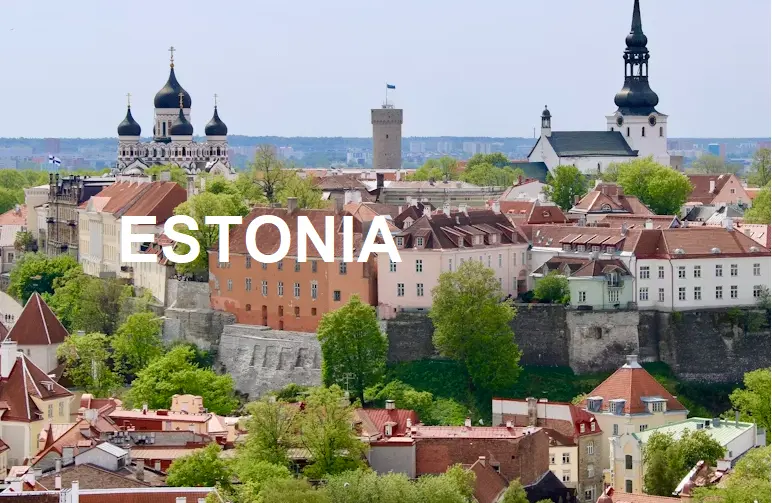
The Old Town is packed with church towers, stone walls, narrow alleys, and red rooftops that honestly look almost too perfect at times. During summer afternoons, though, parts of it can feel overcrowded with cruise visitors and souvenir shops. If you wake up early, the city feels completely different.
Around 7:30 or 8:00 AM, Tallinn is quiet. Delivery vans move through empty cobblestone streets, cafés slowly open their doors, and the whole medieval center feels strangely calm for a capital city.
Exploring Old Town (Vanalinn)
Most people start around Raekoja Plats, the old market square in the center of town. From there, wander uphill toward Toompea. Do not overplan it. Tallinn works better when you get slightly lost.
The Patkuli and Kohtuotsa viewpoints give you the classic skyline view over the towers and city walls. Yes, they are touristy. They are still worth it.
If your legs are working properly, climb St. Olaf’s Church tower. The stairs are narrow and slightly exhausting, but the view over the harbor and rooftops is excellent. Just do not expect the climb to feel comfortable.
One of the quieter corners of Old Town is St. Catherine’s Passage (Katariina Käik). Small artist workshops still operate there, selling ceramics, glasswork, wool blankets, and handmade goods that feel much more authentic than the souvenir shops near the main square.
Kalamaja and Telliskivi
After a few hours in Old Town, head toward Kalamaja.
This area used to be a rough working-class neighborhood filled with old wooden houses and railway buildings. Now it is Tallinn’s creative district. Some locals love that transformation. Others think the area has become a little too polished. Probably both are true.
Telliskivi Creative City sits at the center of it all. Old industrial warehouses now hold bakeries, bars, galleries, bookstores, design shops, and street art-covered courtyards. It can feel slightly hipster at times, but it is still one of the best places in the city to spend an afternoon.
Grab coffee. Sit outside. Watch people walk by. Tallinn does that kind of slow travel really well.
Quick Tallinn Tips
- Cobblestones here are no joke. Wear proper shoes.
- The Tallinn Card is worth it if you plan to visit multiple museums.
- Balti Jaam Market is one of the cheapest places to eat well in the city.
- Summer sunsets last surprisingly late.
- Winter is beautiful, but the wind near the harbor can be brutal.
👉Compare Tallinn apartments, hotels, and rental cars here.
Tartu: Estonia’s Smartest City
Tallinn gets most of the attention, but Tartu often feels more relaxed and more genuinely local.
The city revolves around the University of Tartu, which means cafés stay busy, bookstores still exist, and students on bicycles appear everywhere. Compared to Tallinn, the pace here feels slower and less commercial.
Some travelers end up liking Tartu more than the capital. Others find it too quiet after two days. It depends what you enjoy.
Town Hall Square and Cathedral Hill
The center of Tartu is compact and easy to explore on foot.
Town Hall Square is home to the famous Kissing Students fountain, which has become one of the city’s unofficial symbols. In warmer months, people sit outside drinking coffee for hours without seeming in any rush to leave.
Behind the square sits Toomemägi Park, also known as Cathedral Hill. The old Gothic cathedral ruins here are probably the most atmospheric part of the city. Half-collapsed stone walls rise above the trees, and parts of the structure remain open to the sky.
It feels slightly gloomy on rainy days. In a good way.
The nearby Angel’s Bridge and Devil’s Bridge come with local student traditions and superstitions. Every university town seems to have those.
Supilinn (Soup Town)
Supilinn is easily one of Tartu’s most interesting neighborhoods.
The streets are named after vegetables and soup ingredients like Potato Street and Pea Street. The whole area feels slightly messy and lived-in, filled with crooked wooden houses, gardens, old fences, and bicycles leaning against trees.
It does not feel curated for tourists. That is probably why people like it.
Pärnu: Estonia’s Summer Escape
If you visit Estonia during July or August, there is a good chance someone will tell you to go to Pärnu.
During summer, the town fills with beachgoers, spa visitors, cyclists, and weekend travelers escaping Tallinn. Outside summer, though, Pärnu becomes much quieter. Some people love that peaceful atmosphere. Others find it sleepy.
Beach Days and Long Sunsets
Pärnu Beach is wide, sandy, and surprisingly shallow. The water warms up faster than you would expect for the Baltic Sea, although “warm” here is still relative depending on where you are from.
The promenade gets busy in the evenings. Families walk along the waterfront, teenagers ride scooters, and outdoor bars slowly fill up before sunset.
On warm nights, the town feels almost Mediterranean for a few hours. Then the sea wind reminds you very quickly that you are still in Northern Europe.
Spa Culture
Pärnu has been a spa destination for generations. Old wooden villas sit beneath large trees near the coast, while modern wellness hotels continue the tradition.
Even if you are not usually into spas, spending a rainy afternoon inside a sauna after walking along the windy coastline actually makes sense here.
Estonia’s Nature: Forests, Silence, and Bog Landscapes
More than half of Estonia is covered by forests. Once you leave the cities, the country becomes quiet very quickly.
Not empty. Just quiet.
Estonians spend a huge amount of time outdoors. Hiking, mushroom picking, berry collecting, and weekends in cabins are all normal parts of life here. You notice that connection to nature almost immediately.
Lahemaa National Park
Lahemaa sits about an hour east of Tallinn and is the easiest national park to visit from the capital.
The park includes forests, rocky coastline, old fishing villages, manor houses, and long stretches of empty road. Renting a car helps, although guided tours from Tallinn are common.
The manor houses are interesting, but the landscapes are really the reason people come.
Walking the Viru Bog Trail
The Viru Bog Trail is one of Estonia’s most famous hikes.
The wooden boardwalk cuts straight through dark wetlands covered in moss and scattered pine trees. It feels strange the first time you see it. Almost unreal.
Early mornings are best. Fog rises off the water, birds move through the trees, and everything becomes incredibly still.
Some locals swim in the bog pools during summer. The water is cold, dark, and honestly a little intimidating at first.
Still worth doing.
Soomaa National Park and the “Fifth Season”
Further south lies Soomaa National Park, known for seasonal flooding called the “Fifth Season.”
During spring, melting snow floods huge areas of forest and countryside. Roads disappear underwater and people move around by canoe instead of by car.
It sounds exaggerated until you see photos of it.
Saaremaa: Estonia Slows Down Here
Saaremaa is Estonia’s largest island, and life moves differently there.
You reach it by ferry from the mainland. Once you arrive, traffic drops, villages become quieter, and the coastline starts feeling much more remote.
This is not the place for nightlife or fast-paced travel. That is exactly the appeal.
Kuressaare Castle
Kuressaare Castle is probably the best-preserved medieval fortress in the Baltics.
Unlike many castles around Europe that survive mostly as ruins, this one still feels complete. Thick walls surround the fortress, while the interior museum covers centuries of Danish, Swedish, Russian, and Soviet rule.
The old stone corridors feel cold even during summer.
Windmills and Meteor Craters
The Angla windmills are one of the island’s best-known landmarks. Touristy? Yes. Still interesting.
Nearby sits the Kaali Meteorite Crater, formed thousands of years ago after a meteor strike. Ancient people considered the site sacred, and honestly the place still has a slightly eerie atmosphere today.
Narva and Viljandi: Estonia Beyond the Tourist Route
Narva
Narva feels very different from the rest of Estonia.
Russian is spoken almost everywhere, Soviet apartment blocks dominate parts of the skyline, and the atmosphere feels rougher around the edges compared to Tallinn or Tartu.
That contrast is exactly why some travelers find the city fascinating.
Standing beside the river between Hermann Castle and the Russian Ivangorod Fortress is one of the strangest border views in Europe. Two massive fortresses stare directly at each other across a narrow strip of water.
The tension is impossible not to notice.
Viljandi
Viljandi is smaller, greener, and much calmer.
The town sits beside a lake surrounded by rolling hills and castle ruins. During summer, the Viljandi Folk Music Festival brings thousands of visitors into town, and suddenly the quiet streets become crowded with music, dancing, and outdoor concerts.
Outside festival season, Viljandi can feel almost sleepy.
That is part of the charm.
Estonian Food: Heavy, Simple, Better Than Expected
Estonian food probably will not become your favorite cuisine in Europe. But after a few cold days, the heavy soups, smoked fish, and dark rye bread start making perfect sense.
The food here reflects the climate: practical, filling, and built for long winters.
Foods Worth Trying
Leib (Black Rye Bread)
Dense rye bread appears with almost every meal. Estonians take it seriously.
Warm rye bread with butter sounds simple. It is also very good.
Verivorst (Blood Sausage)
Usually eaten during winter and Christmas. Served with potatoes and lingonberry jam.
Not everyone loves it immediately.
Kohuke
A cheap supermarket snack made from sweet curd cheese covered in chocolate. Almost every traveler ends up buying more than one.
Smoked Fish
Along the coast and islands, roadside smokehouses sell fresh smoked trout and herring. Pair it with local beer and sit near the water somewhere windy.
That is Estonia.
👉 Compare Estonia tours, ferries, and local experiences here.
Best Time to Visit Estonia
Summer (June–August)
Summer brings warm temperatures, festivals, beach weather, and extremely long daylight hours.
Around Jaanipäev in late June, darkness barely arrives at all. People stay outside until midnight sitting around bonfires and drinking beer in the countryside.
Accommodation prices rise quickly during this period.
Autumn (September–October)
Probably the best season for hiking.
The forests turn orange and gold, tourist crowds mostly disappear, and the cooler weather makes walking much easier than during humid summer afternoons.
Rain becomes more common though. Pack properly.
Winter (December–February)
Tallinn’s Christmas market looks genuinely beautiful under snow.
Winter here is cold, dark, and sometimes exhausting if you are not used to Northern Europe. But the atmosphere suits the medieval cities surprisingly well.
Just prepare for icy sidewalks.
Estonia Budget Guide (2026)
Estonia uses the Euro (€). It is no longer as cheap as it once was, but compared to Scandinavia it still feels affordable.
Budget Travelers (€50–€80/day)
- Hostel beds in Tallinn or Tartu
- Supermarket meals and local cafés
- Regional buses and trains
- Free walking tours
Mid-Range Travelers (€100–€180/day)
- Stylish apartments or boutique hotels
- Restaurant meals
- Museums and guided tours
- Ferry trips and spa visits
Luxury Travelers (€300+/day)
- Historic five-star hotels
- Michelin-level restaurants
- Private transport
- Premium spa resorts
Getting Around Estonia
Transportation here is refreshingly easy.
Trains
Elron trains connect Tallinn, Tartu, Narva, and Viljandi. They are modern, clean, and usually very punctual.
Free Wi-Fi works surprisingly well too.
Buses
Lux Express buses honestly feel better than some airlines. Large seats, entertainment screens, charging ports, and free coffee onboard.
Long-distance bus travel here barely feels like a hassle.
Car Rentals
If you want to explore remote forests, islands, or coastal villages properly, renting a car gives you much more freedom.
Outside Tallinn, traffic becomes very light surprisingly fast.
Frequently Asked Questions
Is Estonia safe for solo travelers?
Yes. Estonia is one of the safer countries in Europe, including for solo female travelers.
Is English widely spoken?
Very widely, especially among younger people.
Can you travel cash-free?
Almost entirely. Card payments work nearly everywhere.
How many days do you need?
Around 5–7 days is enough for Tallinn, Tartu, Pärnu, and one nature destination. More if you want islands or slower travel.
Final Thoughts
Estonia works best for travelers who enjoy slower, quieter destinations rather than nonstop sightseeing.
It is not flashy. That is part of the appeal.
The moments people usually remember are the small ones: empty cobblestone streets early in the morning, silent forests, cold sea wind along the coast, or sitting inside a café while rain hits the windows outside.
Some travelers will probably find Estonia too calm. Others end up wanting to come back almost immediately.
That usually tells you a place is doing something right.
BEFORE YOU TRAVEL: Don’t get stuck with expensive roaming fees in Europe’s most digital country. Get connected instantly the moment you land by grabbing a high-speed Baltic eSIM.👉Click here to activate your European eSIM today.
👉 Read the Complete Latvia Travel Guide
Got questions or travel tips to share? Leave a comment below — your thoughts and feedback are always welcome!
✅ Travel Deals You Should Check
- ✅ Get the best flight deals and save money ✈️
Discover unbeatable flight deals - ✅ Find top-rated hotels at the best prices 🏨
Browse affordable flight options - ✅ Compare travel options instantly 🔎
Compare cheap flights worldwide - ✅ Discover amazing tours and experiences 🌍
Find budget-friendly airfare - ✅ Stay connected anywhere with travel eSIM 📶
Search the best eSIM - ✅ Protect your trip with reliable insurance 🛡️