
Find Cheap Flights & Hotels
Search and book the best flight deals for your next trip.
The Soul of the Baltics: Latvia Unveiled
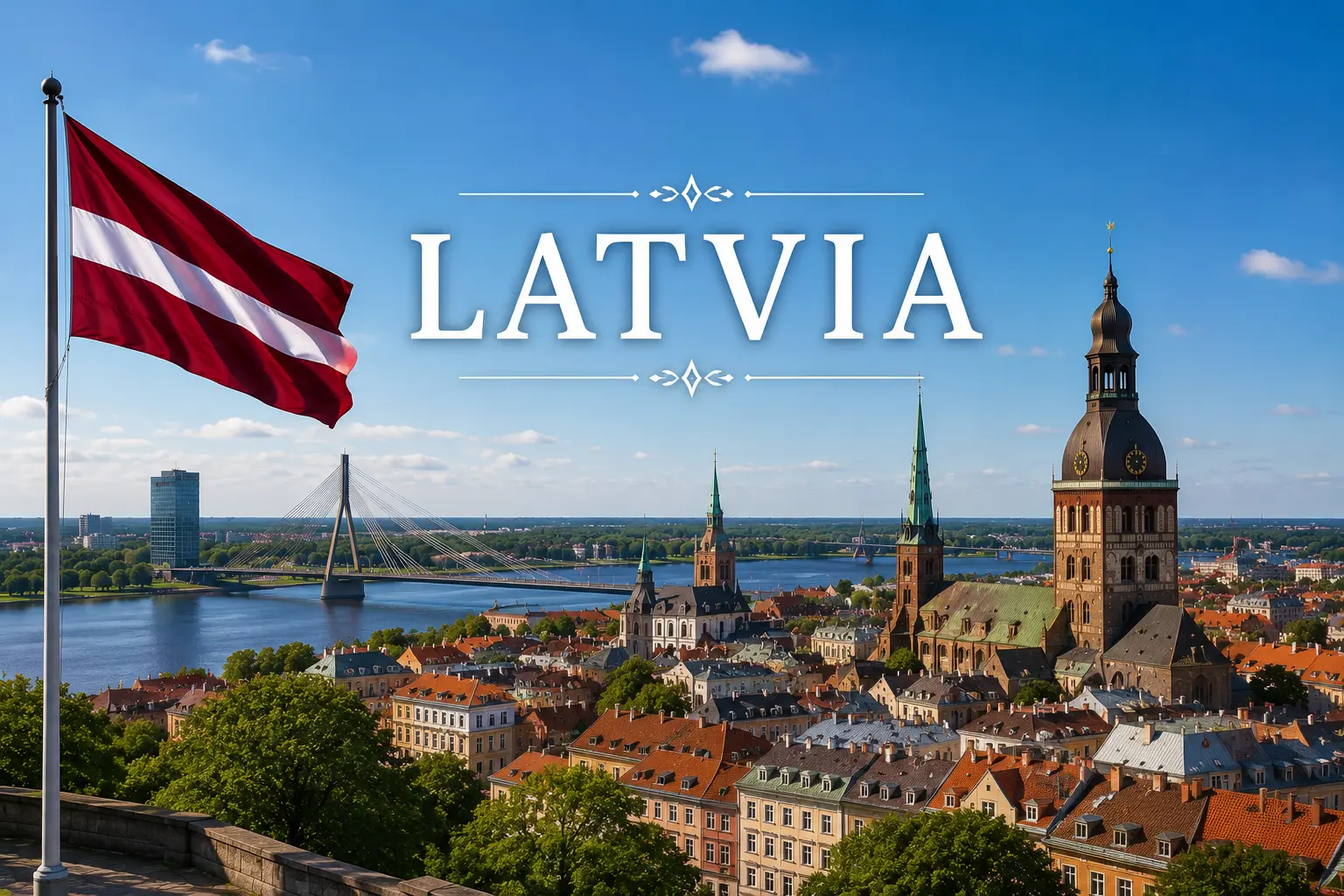
Latvia Solo Travel Guide 2026 is the perfect resource for travelers looking to explore Riga and Latvia on a budget. From historic streets and local food to affordable transport and accommodation, this guide covers everything you need for an unforgettable solo adventure.
The Baltic region holds a quiet, magnetic pull that often escapes the radar of travelers dazzled by the loud neon lights of Western Europe’s tourist capitals. To cross the border into Latvia is to step into a landscape where time slows down to match the pulse of nature and centuries of resilient history. Unlike Italy or Spain, where the crush of tour groups can turn historic squares into navigation obstacles, Latvia offers breathing room. It is a nation composed of deep, whispering pine forests, mirror-like peat bogs, and a coastline that stretches along the Baltic Sea with wild, undeveloped grace. Yet, the heart of this experience lies in its brilliant capital, Riga, a city that wears its identity on its sleeve. Here, cobblestone streets wind through mediaeval cores, while just a few blocks away, the grandest collection of Art Nouveau architecture in the world stands proud, telling stories of a golden century of growth. The true beauty of Latvia does not shout; it reveals itself to those who are willing to linger, to walk instead of ride, and to listen rather than just consume.
For the modern traveler, this destination represents the ultimate frontier for a more mindful approach to exploration. There is an inherent magic in how accessible Latvia remains to those traveling on a budget. It is not cheap in a cynical way that sacrifices quality; rather, it offers a high standard of European living at a fraction of the cost found in Paris, Amsterdam, or London. The supermarkets are filled with rich, organic dairy and dark rye bread, the public transport is impeccably punctual and shockingly inexpensive, and the cultural entry fees do not drain your wallet. More importantly, Latvia is the textbook definition of a slow travel paradise. The country’s compact geography means you do not need to rush through an exhausting itinerary of cross-country flights or expensive high-speed trains. You can base yourself in one or two spots for weeks, allowing the rhythm of local life to become your own. Slow travel here means adopting the local habit of mushroom foraging in the autumn, sitting in a quiet café in the Art Nouveau district for hours with a single cup of coffee, or watching the sunset over the Gulf of Riga without looking at your watch. It is about shifting your focus from checking off tourist boxes to absorbing the quiet magic of a nation that values peace above all else.👉Find the Best Flights to Latvia on Kiwi.com
For first-time visitors, this Latvia Solo Travel Guide 2026 highlights the best attractions, local experiences, and budget-friendly travel tips.
The Strategic Masterplan: Latvia Trip Planning Logistics
Embarking on a successful journey through Latvia requires a shift away from the frantic pace of typical holiday planning. Because the country thrives on a quieter cadence, your logistics should reflect a commitment to simplicity and depth. A major mistake made by first-time visitors to the Baltic states is trying to conquer Estonia, Latvia, and Lithuania all within a single week. This frantic pace results in nothing more than a blur of bus stations and surface-level impressions. To truly understand Latvia, you must give it time. Planning a budget-conscious, slow-paced trip here involves understanding that your greatest asset is patience. By choosing to stay longer in fewer places, you unlock lower weekly accommodation rates, reduce your total transport costs to nearly zero, and gain the time needed to discover the hidden, non-commercial spots that commercial tour guides completely ignore.
When to Visit Without the Crowds
Timing your arrival in Latvia is the first critical decision in your slow travel strategy. While the brief Baltic summer of July and August brings beautiful long days where the sun barely sets before midnight, it also brings the highest prices for accommodation and the largest clusters of regional tourists. To find the sweet spot where budget meets tranquility, you should target the shoulder seasons. The months of May and September offer an exquisite balance. In May, the country bursts into a vibrant green as the winter freeze melts away, and the historic parks along Riga’s city canal come alive with blooming flowers. September, on the other hand, blankets the landscape in rich autumnal gold and crimson, particularly in the river valleys. During these months, flight prices plummet, hostels and guesthouses drop their rates significantly, and you can wander through historic sites without a single camera tripod blocking your view. Even the depth of winter holds a stark, fairytale beauty for those who do not mind the cold, offering empty snow-covered forests and cheap, cozy indoor experiences.
Getting There and Moving Around
Reaching Latvia without breaking your budget is remarkably straightforward, thanks to Riga International Airport serving as the primary aviation hub for the entire Baltic region. Budget carriers like Ryanair and Wizz Air operate frequent flights from major European cities, making it easy to secure low-cost entry if you book a few weeks in advance. Once your feet touch Latvian soil, the need for expensive car rentals or domestic flights vanishes completely. Latvia possesses an incredibly efficient, budget-friendly public transportation network that aligns perfectly with a slow travel philosophy. The national train company, Vivi, operates reliable passenger trains connecting Riga to coastal towns and inland historic districts for just a few euros per ticket. For destinations not reached by rail, the extensive network of regional buses fills the gaps seamlessly. Inside the cities, everything is designed for the pedestrian. Riga is a blissfully flat, walkable metropolis where the finest sights are discovered by getting lost on foot. For longer city distances, a comprehensive network of trams and buses costs less than two euros a ride, ensuring your transport budget remains minimal while your freedom remains absolute..Book Your Perfect Latvia Hotel on Klook.com
Public transportation is affordable and reliable, making this Latvia Solo Travel Guide 2026 ideal for budget-conscious travelers.
Where to Stay: Finding Your Perfect Latvian Base
Choosing your base in Latvia is not merely a matter of finding a bed for the night; it is an intentional decision that dictates the entire rhythm of your slow travel experience. Because Latvia is a country where local life happens just behind the historical facades, picking the right neighborhood allows you to slip into the daily routines of the people who live here. The mistake many budget travelers make is automatically booking the absolute cheapest bed on the outskirts of the city, only to spend their precious time and money commuting on buses every day. Conversely, staying in the absolute center of tourist zones can isolate you in a bubble of overpriced restaurants and souvenir shops. A successful slow travel strategy relies on finding those neighborhoods that offer a blend of community character, affordable local grocery stores, and easy access to transit lines that can whisk you away into the countryside.
Old Town Riga (Vecrīga): The Historic Atmosphere
Wandering through Vecrīga feels like stepping into a living museum, where narrow cobblestone alleys twist past medieval churches and pastel-colored guild houses. For a first-time visitor, staying here offers unparalleled convenience, as you are quite literally surrounded by centuries of Baltic history and can walk to the central train station in under ten minutes. However, this convenience comes with distinct downsides that a dedicated slow traveler must weigh carefully. Old Town is the primary magnet for cruise ship tour groups and weekend party travelers, meaning the streets can become incredibly noisy at night, and the prices at local cafes are heavily inflated. If you choose this area to keep your walking distances short, the budget secret is to avoid the standard hotels and look for boutique hostels hidden inside historic buildings, where you can cook your own meals in communal kitchens and look out over the ancient rooftops without paying premium prices.
Centrs and the Art Nouveau District: The Urban Rhythm
Just a short walk northeast of the medieval core lies the beating heart of modern Riga, known simply as Centrs. This neighborhood is a visual masterpiece, defined by wide boulevards and towering apartment buildings adorned with the intricate, expressive stone faces of the Art Nouveau movement. Living here gives you a true taste of local metropolitan life; you will share the pavements with students, artists, and professionals rushing to work. For the slow traveler, Centrs is a goldmine because it hosts the city’s best independent coffee shops, second-hand bookstores, and budget-friendly lunch spots that offer daily menus for less than eight euros. The apartment rentals here are spacious, often featuring high ceilings and tiled stoves, allowing you to settle in for a week or two at a reasonable price, though you must be prepared for the ambient rumble of the city’s tram lines outside your window.
Āgenskalns and Kalnciems: The Wooden Creative Quarter
To truly escape the tourist track and embrace a low-cost, authentic lifestyle, you must cross the Daugava River to the left bank, into the historic neighborhood of Āgenskalns. This area is celebrated for its sprawling collection of 19th-century wooden architecture, giving it the feel of a quiet provincial town nestled inside a European capital. The heart of the community is the beautifully restored Āgenskalns Market, where you can buy fresh berries, local cheeses, and traditional rye bread directly from Latvian farmers for pennies. The vibe here is completely relaxed, green, and creative, making it a favorite for digital nomads and slow travelers who want to slow their pace down entirely. The downside is that you will need to rely on a fifteen-minute tram ride or a scenic walk across the bridge to reach the central sights, but the reward is total peace and significantly lower accommodation costs.
Coastal Jurmala: The Slow Beach Retreat
For those who want to prioritize nature and wellness over urban exploring, bypassing the capital entirely to base yourself in the coastal resort area of Jurmala is a brilliant alternative strategy. Stretching along the Gulf of Riga, Jurmala is a peaceful haven of towering pine trees, crisp sea air, and miles of quartz-sand beaches. Staying here means waking up to the sound of the sea and spending your afternoons walking through quiet forest paths. Historically an expensive playground for the elite, a budget slow traveler can find affordable guest rooms in traditional wooden summer cottages located a few streets back from the beach. The downside is that dining options in the main tourist strips are expensive, and winter can feel completely deserted, but the seamless thirty-minute train connection to central Riga means you can easily enjoy the best of both worlds while keeping your lifestyle deeply connected to nature.👉Find the Best Flights to Latvia on Kiwi.com Accommodation options featured in this Latvia Solo Travel Guide 2026 range from hostels to affordable hotels in central Riga
The Immersive Itinerary: Experiencing Latvia Day by Day
To truly appreciate Latvia through a slow travel lens, your itinerary must abandon the frantic rush of trying to see an entire country in a weekend. Instead, this three-day journey is designed to establish a deep connection with the landscape, transitioning seamlessly from the architectural wonders of the capital to the wild, whispering forests of the countryside. By slowing down your pace, you allow the layers of Baltic history to reveal themselves naturally, ensuring that every historic square and forest path tells a story rather than just serving as a background for a quick photo.
Day 1: The Foundations of Riga and Sunset by the River
Begin your immersion in the early morning hours within the quiet labyrinth of Old Town Riga (Vecrīga). The strategic secret to experiencing this medieval core on a budget is to catch the city before it wakes up, wandering the cobblestone alleys around Town Hall Square when the air is crisp and the tourist crowds are non-existent. Stand before the House of the Blackheads, a stunning Gothic structure with a Dutch Renaissance facade that tells the rich history of medieval merchant guilds. Instead of paying hefty entry fees at every commercial viewpoint, make your way to the grand Riga Cathedral (Doms) and simply sit in the open square, listening to the echoing bells while enjoying a cheap pastry from a local bakery.
By midday, transition into the adjacent Central Market, a marvel of engineering housed inside five monumental German Zeppelin hangars from World War I. This is the beating heart of local life and a paradise for budget travelers. Skip the overpriced tourist bistros and put together a picnic lunch of smoked fish, pickled vegetables, and traditional Latvian rye bread directly from the vendors for just a few euros.
As the afternoon sun begins to dip, cross the Stone Bridge to the left bank of the Daugava River to visit the National Library of Latvia, known affectionately as the Castle of Light. The building itself is a modern architectural masterpiece, and entry to its viewing galleries is entirely free. Conclude your day with a slow, meditative walk along the AB Dam jetty, watching the sunset cast a golden glow across the iconic skyline of Riga’s spires, reflecting beautifully on the wide waters of the river.
Day 2: The Art Nouveau Marvels and the Peace of Mežaparks
Dedicate your second day to exploring the elegant expansion of Riga beyond its medieval walls, focusing on the late 19th and early 20th centuries when the city became an economic powerhouse. Spend your morning walking along Alberta Street and Elizabetes Street, the epicentre of Riga’s Art Nouveau architecture. Look upward to decipher the intricate stone carvings, screaming sphinxes, and stylized floral patterns designed by visionary architects like Mikhail Eisenstein. This open-air museum costs absolutely nothing to explore and offers a masterclass in European architectural expression.
In the afternoon, embrace the local philosophy of slow living by hopping on Tram Number 1 from the city center, heading north toward Mežaparks, which translates literally to “Forest Park.” The cheap tram ticket drops you into a massive, historic neighborhood defined by towering pine forests and elegant wooden villas built for Riga’s elite at the turn of the century.
Rent a budget-friendly bicycle at the park entrance or simply walk along the pedestrian avenues that wind beneath the trees. This is where locals come to escape urban stress, breathe the crisp forest air, and clear their minds. Walk down to the shores of Lake Ķīšezers, where you can sit on the wooden piers, watch the small sailboats drift across the water, and understand why Latvians maintain such a profound, unbreakable bond with the natural world.
Day 3: Sigulda and the Ancient Gauja River Valley
On your final day, pack a small bag and catch an early morning train from Riga Central Station to Sigulda, a journey that takes just over an hour and costs less than four euros. Sigulda is the undisputed capital of Latvian adventure and nature, serving as the gateway to the magnificent Gauja National Park. The strategy here is to avoid expensive guided tours and explore the expansive valley entirely on foot using the well-marked network of hiking trails.
Begin your hike toward the ruins of the Sigulda Medieval Castle, built in the 12th century by the Livonian Brothers of the Sword. From the ancient stone battlements, look across the sweeping, forested expanse of the Gauja River Valley, a view that turns into a breathtaking tapestry of gold and crimson during the autumn months. From there, follow the wooden steps down into the valley floor to visit Gutmanis Cave, the largest grotto in the Baltic states, covered in historic inscriptions left by travelers centuries ago.
Continue your slow trek up the opposite side of the valley to the red-brick Turaida Castle, which stands proud above the forest canopy. Instead of rushing back to the station, take your time walking through the nearby Folk Song Hill, an open-air sculpture park dedicated to Latvian folklore and traditional songs (dainas). By the time you board the evening train back to Riga, the quiet grandeur of the ancient valley will have shown you the true, untamed soul of Latvia.
Culinary Secrets: How to Eat Like a Local
To truly engage with Latvia through slow travel, you must abandon the search for international fast-food chains and instead dive deep into the rich, comforting world of traditional Baltic cuisine. Latvian food is a direct reflection of the country’s landscape and history: it is hearty, closely tied to the changing seasons, and designed to sustain people through long, cold winters. Eating like a local here is remarkably affordable, provided you skip the English-menu restaurants in the center of Old Town and seek out the humble, cafeteria-style dining halls known as Lido, or small neighborhood bakeries hidden away in the residential streets..Book Your Perfect Latvia Hotel on Klook.com
The foundation of every Latvian meal is Rupjmaize, a dense, dark rye bread that carries a slightly sour and sweet flavor profiles. This is not just food; it is a cultural symbol, heavily respected and present on every table. For the ultimate local comfort food, look for Pelmeņi, small dough dumplings stuffed with seasoned minced meat or mushrooms, boiled and served with a massive dollop of sour cream (Skāba krējuma). Another traditional staple you must try is grey peas with bacon (Pelēkie zirņi ar speķi), a dish traditionally eaten during the winter holidays but available year-round in local markets. It is incredibly filling, packed with flavor, and costs just a few euros for a massive portion.
The true secret of Latvian slow food, however, lies in the forests. During the summer and autumn months, local kitchens come alive with wild chanterelle mushrooms (Gailenes) and fresh forest berries. A classic, budget-friendly culinary experience is ordering a simple plate of boiled potatoes topped with a creamy, fresh chanterelle sauce at a local market stall. To wash down these rich flavors, skip the commercial sodas and try Kvass, a traditional fermented beverage made from rye bread that is slightly sweet, naturally fizzy, and deeply refreshing on a warm day.
The Latvian Etiquette and Cultural Guide
Navigating Latvia smoothly requires an understanding of the subtle cultural norms and unspoken rules that define daily life in the Baltics. Latvians are generally reserved, private, and quiet individuals who value personal space and calm environments. This aligns perfectly with a slow travel philosophy; you will rarely experience loud shouting or aggressive sales tactics in markets. When interacting with locals, a quiet, polite demeanor will carry you much further than an overly loud or enthusiastic approach. Always greet shopkeepers with a simple “Labdien” (Good day) and say “Paldies” (Thank you) when receiving service.
When it comes to social spaces, particularly public transport, silence is golden. Loud telephone conversations or playing music without headphones on a train is considered highly disrespectful. If you are invited into a Latvian home, the golden rule of domestic etiquette is to immediately remove your shoes at the front door; hosts will almost always offer you a pair of cozy guest slippers to wear. Additionally, when visiting the country’s magnificent historic churches and cathedrals, ensure your shoulders and knees are covered as a sign of respect, even during the peak of summer.
A final, essential tip for the budget slow traveler involves recognizing the difference between industrial, mass-produced souvenirs and authentic local craftsmanship. The streets of Old Town are filled with souvenir shops selling generic items. To spot the real deal, visit the open-air weekend markets in the Kalnciems Quarter or the central markets. Here, you can buy authentic, hand-knitted woolen mittens adorned with ancient Latvian ethnographic symbols, or genuine Baltic amber jewelry directly from the artisans who crafted them, ensuring your money goes directly into the local creative economy.
Frequently Asked Questions (FAQ)
Is Latvia safe for solo travelers?
Yes, Latvia is consistently ranked as one of the safest countries in Europe for both solo travelers and female backpackers. Violent crime rates are extremely low, and petty crimes like pickpocketing are uncommon outside of heavily crowded tourist spots. As long as you exercise standard travel awareness at night around nightlife districts, you will feel entirely secure exploring the country alone.
How expensive is a trip to Latvia?
Latvia is incredibly budget-friendly compared to Western Europe. A solo traveler practicing slow travel can easily get by on a budget of €30 to €45 per day. This budget easily covers a bed in a high-quality hostel, public transport tickets, grocery shopping at the Central Market, and entry fees to public parks and free historic sites.
What is the best way to travel around Latvia?
The absolute best and cheapest way to move around the country is by using the national rail network (Vivi). Trains are modern, punctual, and cost only a few euros to reach coastal or historic destinations like Jurmala and Sigulda. For destinations where the tracks do not reach, the regional bus network provides seamless and highly affordable connections.
Do people speak English in Latvia?
Yes, English is widely spoken throughout Latvia, especially among the younger generation and within the hospitality industry in Riga. You will have absolutely no trouble navigating, ordering food, or asking for directions in English. However, learning a few basic Latvian words like “Labdien” (Hello) and “Paldies” (Thank you) is highly appreciated by the locals.
Can I drink tap water in Latvia?
Yes, tap water across Latvia, particularly in Riga and major towns, is entirely safe to drink and meets strict European Union quality standards. Bringing a reusable water bottle and refilling it throughout your journey is an excellent way to save money and reduce plastic waste while traveling
We hope this Latvia Solo Travel Guide 2026 helps you plan an unforgettable trip to Latvia and Riga.
👉 Click here to activate your Latvia eSIM today
Got any questions about planning your trip, or did you find this guide helpful? Drop a comment below and share your thoughts. Your feedback is incredibly important to us!
👉 Read the Complete Estonia Travel Guide
Got questions or travel tips to share? Leave a comment below — your thoughts and feedback are always welcome!
✅ Travel Deals You Should Check
- ✅ Get the best flight deals and save money ✈️
Discover unbeatable flight deals - ✅ Find top-rated hotels at the best prices 🏨
Browse affordable flight options - ✅ Compare travel options instantly 🔎
Compare cheap flights worldwide - ✅ Discover amazing tours and experiences 🌍
Find budget-friendly airfare - ✅ Stay connected anywhere with travel eSIM 📶
Search the best eSIM - ✅ Protect your trip with reliable insurance 🛡️