

Find Cheap Flights & Hotels
Search and book the best flight deals for your next trip.
Budget Travel Budapest: The Ultimate 2026 Guide to the Paris of the East
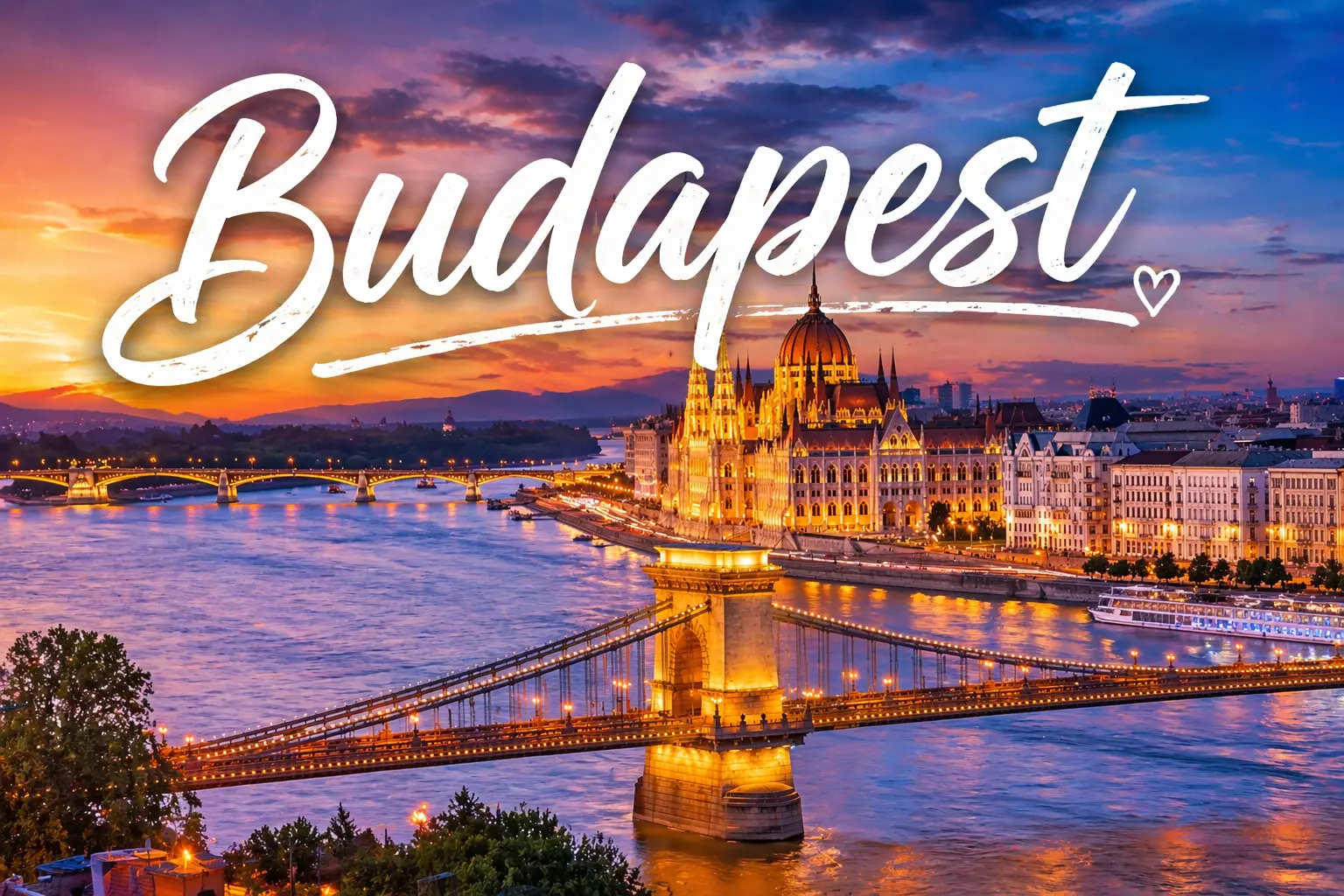
The Danube River cuts through the heart of Budapest with a dramatic, unmistakable flair, slicing the historic capital into two distinct urban personalities that perpetually gaze at each other across the moving water. On the western bank sits Buda, a serene and elevated kingdom defined by rolling green hills, medieval stone pathways, and an imperial architectural grace that quietly whispers tales of ancient kings, Ottoman occupations, and Habsburg rulers. Directly across the grand, nineteenth-century iron suspension bridges lies Pest, a restless, flat, and sprawling metropolis characterized by grimy yet magnificent boulevards, monumental architectural statements, and an untamed, bohemian creative energy. This striking visual and cultural duality makes the Hungarian capital one of the most immediately enchanting cities on the European continent.
However, the undeniable beauty of this Central European gem has ceased to be a well-kept secret. In recent years, the narrow cobblestone paths of Castle Hill and the crowded pavements of the old Jewish Quarter have increasingly groaned under the weight of global mass tourism. This influx forces independent travelers to make a conscious choice: either blindly follow the generic, overpriced tour-bus trail or intentionally step into the city’s authentic, deeply guarded local rhythm. To truly feel the pulse of Budapest without exhausting your financial resources, you must learn how to navigate the delicate tension between its hyper-touristic postcard backdrops and its fiercely independent local identity.Find Cheap Flights to Budapest with Kiwi.com
The Strategic Masterplan: Budapest Trip Planning Logistics
When to Visit Without the Crowds
Squeezing the absolute best value out of Budapest requires a deliberate, careful calculation of the calendar, as the city undergoes drastic cultural, environmental, and atmospheric shifts with each passing season. The absolute peak of global tourism hits during the scorching summer months of July and August, when the city fills to the brim with international music festival-goers, backpackers, and river cruise-ship crowds. This peak season drives accommodation prices to their highest annual rates and turns a simple afternoon stroll across the iconic Chain Bridge into an exhausting exercise in crowd management. Winter brings a different kind of urban congestion, with the glittering, aroma-filled Christmas markets in front of St. Stephen’s Basilica drawing freezing masses of tourists throughout late November and December.
To experience the Hungarian capital at its most poetic, affordable, and unhurried, the discerning budget traveler must target the shoulder seasons. The first ideal window of the year arrives between April and May. During these spring months, the bitter winter chill finally breaks, the outdoor café terrace culture roars back to life, and the city’s expansive public parks burst into flower, yet the heavy summer rush has not yet descended upon the streets. An equally rewarding alternative is the autumn window running from September to October. By this time, the chaotic summer crowds have vanished completely back to their home countries, and the massive thermal bath complexes offer a much more peaceful, genuinely therapeutic respite. The crisp autumn air turns the ancient trees on Margaret Island into a brilliant canopy of gold and amber, while the local wine harvest fills the city’s historic cellars with fresh, affordable seasonal vintages, allowing you to explore the imperial architecture without constantly fighting a sea of selfie sticks.
Getting There and Moving Around
Arriving in Budapest puts you face-to-face with Liszt Ferenc International Airport, located roughly sixteen kilometers southeast of the city centre. While countless predatory, unregulated airport taxi drivers wait outside the arrivals terminal hoping to overcharge unsuspecting tourists, the financial savviness of your journey begins with choosing the public transit option. The dedicated 100E airport express bus operates twenty-four hours a day, providing a direct, highly efficient link straight to central Pest hubs like Deák Ferenc Square for a fraction of the cost of a private car ride. For those arriving by international rail from neighboring countries, journeys terminate at either the cavernous Keleti station or the elegant, Eiffel-designed Nyugati station, both of which are fully integrated into the underground transit network, saving you from ever needing to rely on expensive private transport options. Find the Best Hotel Deals in Budapest on Booking.com
Once you are established in the city centre, navigating the urban landscape becomes an effortless pleasure due to an incredibly robust, integrated public transportation network managed by BKK. The absolute backbone of this system is the historic underground metro, which features Line M1, the oldest subterranean railway in continental Europe. It still operates today with charming, yellow vintage carriages rattling directly beneath the grand Andrássy Avenue. Complementing the underground lines are the iconic, bright yellow trams, particularly Lines 2, 4, and 6. Tram 2 offers one of the most scenic and affordable sightseeing journeys anywhere in the world, tracing the Pest embankment directly past the monolithic Hungarian Parliament Building and offering panoramic views of the Buda Castle lit up across the river. To maximize efficiency and avoid the hassle of purchasing individual paper tickets, you should bypass the single-ride booths entirely and purchase a multi-day travel card from an official BKK digital terminal. This simple pass grants you unlimited, friction-free access to every metro, tram, and public bus line, allowing you to seamlessly traverse the dual capital exactly like a seasoned local.
Decoding the Districts: Understanding Budapest’s Urban Layout
Finding the right residential base in Budapest is a strategic decision that fundamentally shapes your experience of the city, as each administrative district functions as a self-contained neighborhood with its own distinct architectural style, cultural identity, and socio-economic price points. The grand architectural layout of Budapest is organized in a spiral clock-wise numbering system, radiating outward from the central banks of the Danube River. For independent travelers looking to balance historical accessibility, vibrant dining scenes, and financial economy, navigating these neighborhoods requires looking past generic tourist brochures and understanding the practical, structural realities of each area. Choosing where to lay your head means choosing between the old-world imperial quietude of the western hills and the high-energy, creative chaos of the eastern flats.
Where to Stay: Finding Your Perfect Budapest Base
The absolute epicentre of budget travel, youth culture, and independent hospitality is District VII, universally known as Erzsébetváros or the historic Jewish Quarter. This densely packed maze of narrow streets, historic synagogues, and hidden courtyards is famous for its unique residential architecture, featuring crumbling pre-war apartment buildings that have been creatively repurposed into bohemian social spaces. Staying in District VII means you are within walking distance of the city’s most famous culinary hotspots, independent coffee houses, and legendary nightlife. The abundance of affordable boutique hostels, local guesthouses, and self-catering apartments makes it an incredibly economical choice for solo travelers and couples. However, this high concentration of social energy comes with a significant compromise. The primary downside of District VII is the persistent noise levels. The streets roar with music, pedestrian traffic, and nightlife activities until the early hours of the morning, making it highly unsuitable for families, light sleepers, or travelers seeking a peaceful evening sanctuary.
Directly bordering the nightlife district is District VI, known as Terézváros, which stretches along the elegant, tree-lined expanses of Andrássy Avenue. This neighborhood presents a fascinating structural contrast, often described as the cultural and diplomatic heart of Pest. It houses the grand Hungarian State Opera House, high-end international boutiques, and beautiful neo-Renaissance residential palaces. For the practical traveler, the inner streets of District VI offer an exceptional compromise; they provide immediate, friction-free access to major transport lines like Metro Line M1 and the grand ring-road trams, allowing you to reach any corner of the city within minutes. The neighborhood feels noticeably cleaner, safer, and more dignified than the neighboring nightlife hub, offering a peaceful residential environment without sacrificing central convenience. The main drawback of Terézváros, however, is that standard street-level dining and grocery shopping can carry premium prices due to the affluent, upscale nature of the main boulevard, forcing budget-conscious visitors to venture into the deeper, quieter alleyways to find affordable local markets and authentic worker taverns.Find Cheap Flights to Budapest with Kiwi.com
For a completely different urban perspective, crossing the Danube to District I, the historic Castle District on the Buda side, offers an immersion into imperial tranquility. This elevated neighborhood is an architectural living museum, home to the sprawling complexes of Buda Castle, the Gothic towers of Matthias Church, and the romantic, medieval battlements of Fisherman’s Bastion. Staying here allows you to wake up surrounded by cobblestone alleys, ancient stone ramparts, and breathtaking, panoramic views of the river and the Parliament building below. The area is incredibly quiet, safe, and atmospheric after dark once the daytime tour buses depart. Nevertheless, the systemic downsides of choosing the Castle District as your permanent base are significant for a budget itinerary. The neighborhood becomes an absolute logistical desert at night; public transport options slow down considerably, and almost all affordable local restaurants, bakeries, and grocery stores close early. Furthermore, the limited accommodation options here consist primarily of premium, luxury hotels, meaning independent travelers must often settle for smaller, isolated rooms that lack modern kitchen facilities.
Finally, for those seeking a highly functional, culturally authentic, and deeply economical alternative, District IX, specifically the vibrant Market District around Ferencváros, is an exceptional option. This neighborhood is anchored by the massive, iron-structured Great Market Hall and is home to several major universities, giving the entire area a youthful, authentic local atmosphere. Accommodation options here include highly affordable modern studio apartments and family-run guesthouses that cater to residents rather than international tourists. The streets are lined with cheap student eateries, traditional Hungarian milk bars, and affordable craft beer gardens. The principal downside of District IX is that it sits slightly south of the immediate historical core, meaning you will rely heavily on public transport, such as Tram 2 or Metro Line M3, to reach the northern landmarks, and certain peripheral areas near the old industrial rail lines can feel barren and poorly lit late at night.
The Immersive Itinerary: Experiencing Budapest Day by Day
An efficient exploration of Budapest requires a systematic geographical approach that minimises transit time and avoids the heavy waves of day-trippers that congest the primary landmarks. By organizing your itinerary around the physical separation of the Danube River, you can dive deep into the distinct historical narrative of each bank. This structured three-day itinerary is designed to balance major architectural sights with hidden local street insights, ensuring a comprehensive cultural immersion without exhausting your energy or financial resources.Find the Best Hotel Deals in Budapest on Booking.com
Day 1: The Imperial Heights of Buda and Sunset Serenity
The first day focuses entirely on the western bank of the river, exploring the old-world medieval core of the Castle District. To bypass the heavy cruise-ship crowds and school excursions, arriving at Castle Hill before nine o’clock in the morning is essential. Avoid the expensive tourist funicular railway and instead take the public BKK Bus 16 from Széll Kálmán Square straight to the top of the hill. Your exploration begins at the breathtaking Fisherman’s Bastion, a neo-Romanesque stone monument featuring seven decorative lookout towers that represent the original Hungarian tribes. Exploring the white stone ramparts early in the morning provides an unhurried, panoramic view of the Pest landscape and the Parliament building reflecting the morning sunlight.
Directly behind the bastion sits the magnificent Matthias Church, a late-Gothic architectural masterpiece covered in vibrant, multicolored Zsolnay ceramic roof tiles. To experience the deep interior history without paying steep peak-hour prices, check the local ecclesiastical schedule for early morning morning services. From the church, follow the cobblestone alleys of Úri utca away from the primary commercial square to observe the quiet, residential side of the historic quarter, where old baroque facades still show structural scars from the battles of World War II.
As the afternoon light shifts, descend the historic stone staircases toward the Danube and cross the magnificent Chain Bridge back to the Pest bank. From here, catch Tram 2 heading south toward the Liberty Bridge. Your final destination for the day is Gellért Hill, located just across the river. Skip the crowded tour bus parking lots and follow the quiet, winding walking paths through the trees from the base of the hill. Walking up to the Citadella fortress at sunset reveals a spectacular view as the city lights gradually turn on across the entire river network. To finish the evening like a local, walk down the back slopes of the hill toward the authentic neighborhood taverns of Bartók Béla Boulevard, where student prices and traditional hospitality remain untouched by mainstream tourism.
Day 2: The Monoliths of Pest and the Jewish Quarter Heritage
The second day explores the flat, urban landscape of Pest, focusing on monumental political history and complex cultural heritage. Begin the morning at the massive Hungarian Parliament Building on Kossuth Lajos Square. This colossal neo-Gothic masterpiece is the largest building in Hungary, stretching along the riverbank with intricate spires and a magnificent central dome. To secure a spot inside the historic legislative chambers without paying predatory agency markups, purchase your entry tickets weeks in advance directly through the official government portal, bypassing the chaotic ticket lines entirely. After exploring the grand interior halls, take a solemn, contemplative walk south along the embankment to see the Shoes on the Danube Bank memorial, a moving monument dedicated to the victims of wartime tragedies.Find Cheap Flights to Budapest with Kiwi.com
From the riverfront, walk inland along the grand Liberty Square toward St. Stephen’s Basilica. While the primary plaza is consistently packed with tour groups, walking around the back of the cathedral reveals quiet, shaded alleys lined with independent local bakeries and affordable artisan coffee shops that cater primarily to central office workers. Skip the expensive elevator ride to the basilica dome and instead take a quiet walk through the surrounding residential streets of District V, observing the grand 19th-century apartment palaces.
As the afternoon turns to evening, transition into the narrow, labyrinthine grid of District VII (The Jewish Quarter). Begin at the grand Dohány Street Synagogue, the largest synagogue complex in Europe and the second largest in the world. Instead of simply looking at the exterior gates, take time to explore the quiet interior courtyard, which contains the moving Emanuel Tree Holocaust memorial. As darkness falls, the neighborhood shifts into a high-energy social hub. Avoid the heavily promoted, commercialized venues on the main avenues and instead venture deep into the inner courtyards of the historic Ruin Bars. Venues like Szimpla Kert operate inside abandoned pre-war buildings decorated with vintage local furniture, industrial art installations, and fairy lights, offering an authentic, bohemian environment where you can enjoy local Hungarian beers at standard regional prices.
Day 3: The Thermal Springs and Independent Creative Alleys
The final day balances historic relaxation with an exploration of Budapest’s independent artisan and intellectual communities. Begin your morning at the historic Széchenyi Thermal Bath, located inside the expansive City Park (Városliget). To experience the steaming outdoor pools without fighting massive crowds of tourists, arrive precisely at six o’clock in the morning when the gates open. This early slot allows you to sit quietly alongside local Hungarian residents who gather to play chess on floating boards in the warm mineral waters, providing a deeply authentic glimpse into the city’s historic bathing culture.
After drying off, walk down the grand Andrássy Avenue, a historic boulevard built to mirror the design of the Champs-Élysées in Paris. Stop briefly to admire the neo-Renaissance facade of the Hungarian State Opera House before diving into the quiet, creative alleys of District VIII, historically known as the Palace District. This neighborhood features grand, decaying aristocratic mansions that have been transformed into independent art spaces, vintage bookstores, and local student cafes.
Finish your day by walking through the vibrant Ferencváros neighborhood in District IX. Explore the independent design boutiques and local galleries along Ráday Street, observing how the younger generation of local residents has shaped the modern cultural identity of the capital.
Culinary Secrets: How to Eat and Drink Like a Local
Understanding the gastronomic landscape of Budapest requires moving past the international restaurants of the inner city and embracing the dense, hearty traditions of classic Hungarian cuisine. Traditional Magyar cooking is defined by rich stews, slow-cooked meats, and the omnipresent use of sweet and smoky Hungarian paprika, which is cultivated in the sun-drenched southern fields of Kalocsa and Szeged. For independent travelers, eating well on a budget means learning to identify authentic neighborhood establishments and understanding the cultural rules of local dining.
The first rule of budget dining in Budapest is to seek out the Étkezde. These are small, family-run, no-frills neighborhood lunch rooms that have served traditional Hungarian comfort food to working-class residents for generations. Inside an étkezde, you will find no English menus or modern decorations; instead, diners sit at simple wooden tables covered in red-and-white checkered tablecloths. The menu changes daily, featuring massive portions of Pörkölt (a thick, rich meat stew served with tiny egg noodles called nokedli) and Főzelék (a unique, thick vegetable dish made with sour cream and flour, topped with fried sausages). Ordering the Napi Menü (Daily Menu) at these establishments during lunchtime usually yields a two-course meal for a fraction of standard tourist prices.Find the Best Hotel Deals in Budapest on Booking.com
Another essential culinary stop is the Nagyvásárcarnok, universally known as the Great Market Hall, located at the southern terminus of Váci Street. While the ground floor is dedicated to local butchers selling strings of traditional Hungarian salami and stalls packed with bags of sweet paprika, the upper gallery houses rows of traditional food stalls. The primary dish to seek out here is Lángos, the ultimate Hungarian street food. A classic lángos consists of fresh yeast dough that is deep-fried until golden and crispy, then rubbed with raw garlic, smeared with thick sour cream (tejföl), and covered in a mountain of shredded local cheese. To ensure authenticity and avoid inflated tourist prices, avoid the stalls with massive English flashing signs and patronize the smaller counters where local market workers wait in line.
Beyond heavy savory dishes, Budapest possesses a legendary, decades-old café and pastry culture that rivals Vienna. During the late 19th and early 20th centuries, the city’s grand coffeehouses were the epicenter of intellectual, political, and literary life. While historic landmarks like the New York Café are stunning, they carry exorbitant prices and long waiting lines. For an authentic, affordable immersion into Hungarian pastry arts, seek out traditional neighborhood pastry shops known as a Cukrászda. Here, you can sit quietly and enjoy classic multi-layered cakes like Dobos Torta (a delicate sponge cake layered with chocolate buttercream and topped with a hard caramel crust) or Flódni (a traditional, dense Jewish pastry layered with sweet poppy seeds, walnuts, apples, and plum jam) alongside elderly local residents reading the morning newspapers.
To navigate the evening beverage culture without overspending, independent travelers must understand the rules of Fröccs, the traditional Hungarian wine spritzer. In Budapest, drinking house wine straight is often frowned upon in casual social settings; instead, locals mix crisp, dry white or rosé wines with refreshing carbonated soda water from pressurized siphons. Fröccs is a highly sophisticated system with distinct names depending on the exact ratio of wine to soda. Ordering a Kisfröccs gets you one part wine and one part soda, while a Nagyfröccs features two parts wine and one part soda. For hot summer afternoons, a Hosszúlépés (one part wine, two parts soda) is an incredibly refreshing, highly economical choice that allows you to socialize in local outdoor gardens like a true resident without draining your wallet.
The Transit Nexus: 8 Essential Train & Railway Operations
Budapest is historically engineered as one of the most vital rail junctions in Central Europe, acting as a massive gateway that connects the eastern plains with western metropolitan networks. For independent travelers using the international railway to move between neighboring Austria, Slovakia, or Romania, navigating this vast rail infrastructure efficiently requires moving past basic schedule boards and understanding the operational realities of the local stations. Mastering these eight essential railway protocols serves as a major logistical safeguard for your budget.
- The Architecture of Three Terminals: Budapest does not operate from a single central station. Passenger rail traffic is split between three distinct geographic points: Keleti, Nyugati, and Deli stations. Keleti serves the majority of long-distance international routes heading toward Vienna and Munich, Nyugati handles northern and domestic traffic, while Deli manages connections toward Lake Balaton and the southern borders. Always verify the specific acronym on your boarding pass before departure to avoid traveling to the wrong side of the city.
- Digital Ticket Purchasing Platforms: To avoid language barriers and steep service fees at physical station windows, always use the official digital app managed by the Hungarian State Railways. Booking regional or international journeys directly through the native railway platform ensures you receive verified electronic tickets at standard government rates, completely bypassing predatory third-party travel booking applications that inflate regional prices.
- Predatory Ticket Scams inside Major Terminals: The large public concourses of Keleti and Nyugati stations are frequent operating grounds for unauthorized individuals offering to assist tourists with automated ticket machines. Official ticket machinery is blue and yellow, managed by the local transit authority BKK, and operates safely in multiple languages. Never accept help or buy tickets from unregistered individuals standing near the terminal entrances.
- The Validation Protocol for International Passes: If you travel into Hungary using an international rail pass purchased from a foreign rail authority, such as the Austrian Federal Railways, you must ensure the pass is properly validated. Many digital international bookings require passenger checking at the designated international customer service office inside Hungarian stations before boarding domestic connecting lines.
- Utilizing Scenic Tram 2 for Transit Links: Moving between the historic train terminals and the central hotel districts can be achieved efficiently without relying on expensive private taxi services. Tram Line 2 runs directly parallel to the Danube riverbank, offering an immediate, beautifully scenic connection from the neighborhoods near Nyugati station straight through the political heart of the city to the southern transit hubs.
- Managing Late-Night Arrival Windows: The underground metro lines that service the basements of Keleti and Nyugati stations close completely shortly after eleven o’clock at night. If your international train arrives during the early morning hours, do not panic or seek expensive private cars; instead, walk directly to the designated night bus stops located directly outside the station plazas, which run continuously throughout the night.
- The Retention of Paper Transit Assets: Ticket checking is highly rigorous throughout the entire Hungarian rail and metro system. Ticket inspectors frequently position themselves at the top of escalator banks and exit gates inside train stations to verify arriving passengers. Always keep your physical ticket or digital code active until you have fully exited the station building to prevent heavy fines.
- Proactive Provisioning of Onboard Supplies: The local kiosks, small cafes, and vending machines located inside the historic platforms of Keleti and Nyugati charge premium prices for simple necessities like bottled mineral water and packed meals. Before embarking on a long international train journey out of Budapest, visit a local neighborhood supermarket to pack your own supplies at standard regional prices.Find the Best Hotel Deals in Budapest on Booking.com
7 Frequently Asked Questions (FAQ)
1. Is Budapest cheap for international tourists?
Budapest continues to stand out as one of the most financially accessible capital cities anywhere on the European continent. While local prices for boutique lodging and mainstream tourist attractions have experienced steady increases over the past year, everyday essential costs remain remarkably low. Daily practical expenses such as public transportation passes, traditional neighborhood dining, and casual evening socializing are significantly cheaper than equivalent services in Western European destinations, making it an exceptional option for travelers managing a strict daily budget.
2. How many days are necessary to experience the capital?
To fully appreciate the vast cultural and physical contrast between the quiet hills of Buda and the high-energy urban grid of Pest, dedicating three full days to your itinerary is highly recommended. This duration provides ample time to explore foundational historical monuments like Castle Hill and the Parliament Building, spend an unhurried morning relaxing inside a traditional thermal bath complex, and wander through the independent artisan neighborhoods and historic ruin bars without rushing your experience.Find Cheap Flights to Budapest with Kiwi.com
3. Which thermal bath offers the most authentic local experience?
While the world-famous Széchenyi and Gellért bath complexes are architecturally magnificent, they are heavily commercialized, frequently crowded, and carry premium entrance fees. For a far more authentic, peaceful, and budget-friendly immersion into traditional Hungarian bathing culture, you should target lesser-known historic facilities such as Veli Bej Bath, Lukács Thermal Bath, or Dandár Bath, which serve local residents at a fraction of the cost.
4. Is the public transportation network safe and reliable?
The public transit network managed by BKK is exceptionally clean, highly reliable, and entirely safe to use at all hours of the day and night. The dense grid of underground metro lines, public buses, and historic yellow trams makes owning or renting a car completely unnecessary. Purchasing a multi-day unlimited travel pass remains the most effective strategy to move around the city seamlessly while eliminating the logistical stress of validating individual single-ride paper tickets.
5. Can visitors pay with Euros or is local currency mandatory?
While certain large international hotel chains and prominent tourist restaurants will accept payments in Euros, they almost always calculate the transaction using a highly unfavorable internal exchange rate that results in financial loss for the traveler. It is always better to conduct transactions using the local currency, the Hungarian Forint (HUF), or rely on a fee-free digital travel card for automated, contactless electronic payments at local shops.
6. Is Budapest a safe destination for independent solo travelers?
Budapest maintains exceptionally low rates of violent crime and is widely recognized as one of the safest major urban centers in Europe for independent and solo travelers. Standard street safety protocols apply; travelers should remain observant of their personal belongings and watch out for classic forms of petty pocket-picking in high-density tourist areas such as crowded metro carriages, central train terminals, and busy nightlife spaces.
7. What is the most economical transit option from the airport?
The absolute most efficient and economical transit method to reach the center of Pest from the airport terminal is the official 100E Airport Express Bus. This dedicated shuttle service runs continuously twenty-four hours a day, executing a direct journey from the arrivals terminal straight to Deák Ferenc Square in the absolute center of the city for a very low, regulated government fare, saving you from predatory taxi services.Find the Best Hotel Deals in Budapest on Booking.com
Conclusion Final: Embracing the True Value of Budapest
Budapest is a city that naturally rewards the curious, independent traveler who is willing to look beyond the glittering surfaces of standard travel brochures and dive deep into the complex, layered realities of its urban landscape. The profound physical separation created by the Danube River is not merely geographical; it represents a beautiful, living balance between historical preservation and modern cultural reinvention. From the silent, imperial majesty of the Buda stone ramparts to the electrifying, rebellious creative energy that fills the old apartment courtyards of Pest, the Hungarian capital offers a rare depth of experience that is completely unique within Central Europe.
What makes this city truly remarkable in the modern global travel landscape is its stubborn refusal to compromise its authentic local identity for the sake of mass tourism. You do not need an endless financial reserve to unlock the true essence of Budapest. The finest experiences the city has to offer—watching the late-afternoon sun go down behind the gothic spires of the Parliament building, walking through the quiet architectural history of the Palace District, or sharing a conversation over a cold white wine spritzer in a decades-old neighborhood courtyard—cost very little. They require perspective, patience, and a willingness to walk where the locals walk, rather than an expensive itinerary.
By executing your trip with a clear strategic masterplan—targeting the peaceful shoulder seasons, selecting accommodations in authentic residential districts, seeking out family-run lunchrooms, and mastering the intricate networks of the local yellow trams and international train stations—you can experience a deeply fulfilling, world-class European holiday that respects your financial boundaries. Budapest stands as a powerful testament to the timeless travel philosophy that true luxury lies in the depth of cultural connection, historical discovery, and local immersion, rather than the amount of money spent along the way. As you pack your bags and prepare your journey, drop your preconceptions at the border and allow the Paris of the East to surprise you with its endless resilience, poetic beauty, and fiercely independent spirit.
If you are planning a longer stay, our Budapest vs Bratislava: Is €100 a Day Enough in 2027? guide compares daily costs, hotels, food, transport and sightseeing between the two cities.
👉 If you enjoyed this article, please leave us a comment. Your thoughts are very valuable to us!
✅ Travel Deals You Should Check
- ✅ Get the best flight deals and save money ✈️
Discover unbeatable flight deals - ✅ Find top-rated hotels at the best prices 🏨
Browse affordable flight options - ✅ Compare travel options instantly 🔎
Compare cheap flights worldwide - ✅ Discover amazing tours and experiences 🌍
Find budget-friendly airfare - ✅ Stay connected anywhere with travel eSIM 📶
Search the best flight prices - ✅ Protect your trip with reliable insurance 🛡️



Pingback: Budapest vs Bratislava: Is €100 a Day Enough in 2027?