

Find Cheap Flights & Hotels
Search and book the best flight deals for your next trip.
A Summer Journey Through London: History, Culture, and Everyday Life
Travelling has always been one of the best ways to understand a place beyond what books, photographs, or videos can show. Every city has its own atmosphere, traditions, and rhythm of daily life that can only be appreciated by experiencing it firsthand. For me, London was one of those destinations that I had wanted to visit for many years. I had seen its famous landmarks in documentaries, travel articles, and history books, but I knew that visiting them in person would offer a completely different perspective.
Before leaving for the United Kingdom, I imagined London as a city of historic buildings, royal traditions, busy streets, and unpredictable weather. Like many first-time visitors, I expected grey skies, cool temperatures, and frequent rain, even during the summer months. Friends who had travelled there before gave me similar advice, encouraging me to pack a light jacket and prepare for changing weather conditions. As it turned out, my expectations changed almost as soon as I arrived.
This trip was about more than visiting famous tourist attractions. I wanted to understand how London functions as one of the world’s most diverse and influential cities. Rather than focusing only on well-known landmarks, I hoped to experience everyday life by walking through different neighbourhoods, spending time in public parks, using local transport, and observing the routines of the people around me. I believed these moments would help me understand the city far better than simply following a list of popular attractions.
During my stay, I visited many of London’s best-known places, including Westminster, Big Ben, the London Eye, Buckingham Palace, Tower Bridge, Hyde Park, the British Museum, Camden Market, and Oxford Street. Every destination offered something unique. Some reflected centuries of British history, while others highlighted London’s modern identity as a global centre for culture, business, and tourism. Together, they revealed a city where history and contemporary life exist side by side.
Looking back, I realised that the most memorable parts of the journey were not always the famous landmarks themselves. Some of my favourite memories were created in the quieter moments between them. Walking through peaceful streets early in the morning, sitting beside the River Thames in the evening, enjoying coffee in local cafés, and watching the city go about its daily routine became just as meaningful as visiting London’s iconic attractions. Those simple experiences reminded me that travelling is often about slowing down and appreciating a place instead of rushing from one landmark to another.
This essay describes my experience of exploring London during the summer, beginning with my first impressions of the city and continuing through the places I visited, the people I met, the food I enjoyed, and the practical lessons I learned throughout the journey.
1. First Impressions of London
The excitement of my journey truly began the moment my plane landed. After collecting my luggage and leaving the airport, I finally found myself in a city that I had been looking forward to visiting for many years. During the journey towards central London, I spent most of my time looking out of the window, curious to see whether the city would match the image I had built in my mind over the years.
One of the first things that caught my attention was the weather. Instead of grey skies and cool temperatures, London welcomed me with bright sunshine and clear blue skies. The temperature was much warmer than I had expected, and within a short time I realised that the light jacket I had packed would not be needed that day. The pleasant weather transformed the ambience of the city. Parks were filled with people relaxing on the grass, cafés had outdoor seating occupied by both residents and visitors, and the streets felt lively without becoming overcrowded.
As I travelled further into the city centre, I began noticing details that photographs rarely capture. The streets were busy but well organised, public transport operated efficiently, and pedestrians moved confidently through wide pavements. Despite London’s size, it never felt overwhelming. Clear signs, reliable transport connections, and well-planned streets made it surprisingly easy to move from one area to another.
Another impression that stayed with me throughout my visit was London’s diversity. During my first walk, I heard conversations in several different languages and met people from many cultural backgrounds. This international environment gave the city a welcoming character and reflected its reputation as one of the world’s most multicultural capitals. Rather than feeling like a destination designed only for tourists, London felt like a place where people from around the world naturally live, work, and interact.
Walking through the streets for the first time, I was equally impressed by the architecture. Historic churches and government buildings stood alongside modern offices and contemporary apartment blocks. Instead of competing with one another, these different styles blended together, creating a cityscape that respected its long history while continuing to evolve.
By the end of my first afternoon, I realised that London had already exceeded many of my expectations. It was far more than a city of famous landmarks. It was a place where history, culture, green spaces, and everyday life came together to create an environment that felt both welcoming and unique. That first impression made me even more excited to discover what the following days would bring. Planning Your Trip? Find the Cheapest Flights to London on Kiwi.com
2. Exploring Westminster and Big Ben
My second day in London began much earlier than the first. After noticing how busy the city became during the afternoon, I decided to leave my accommodation soon after breakfast. The streets were quieter, the temperature was still pleasant, and the soft morning light created ideal conditions for walking and taking photographs. My destination was Westminster, an area I had wanted to visit long before arriving in London because of its historical and political significance.
The journey itself became part of the adventure. Rather than travelling directly by Underground, I chose to walk part of the way so I could observe the city at street level. It turned out to be one of the best decisions I made that day. Walking allowed me to notice details that are often missed when travelling quickly between attractions. Local cafés were opening for business, delivery vans were making their morning rounds, and office workers were beginning another busy day. London felt different during these early hours. There was movement everywhere, yet the surroundings remained calm and unhurried.
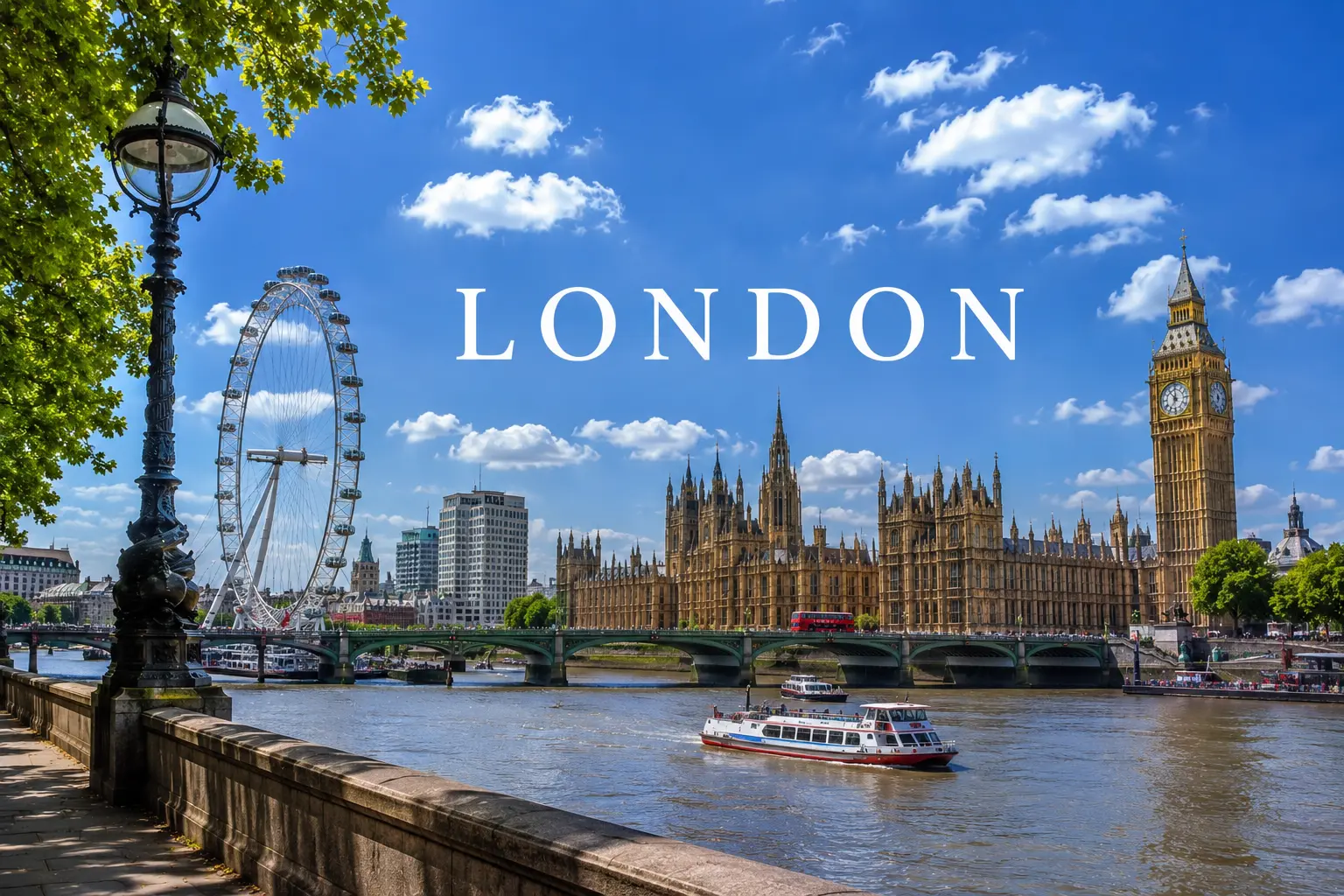
As I approached Westminster, the familiar outline of Big Ben gradually appeared above the surrounding buildings. Although I had seen countless photographs of the famous clock tower over the years, standing in front of it for the first time felt completely different. The scale of the structure was more impressive than I had imagined, and the closer I walked, the more I noticed the intricate stonework and architectural details. Every part of the building reflected remarkable craftsmanship and reminded me that this landmark has stood at the heart of London for generations.
Instead of immediately reaching for my camera, I spent a few minutes simply taking in the view. Visitors from different parts of the world stood quietly looking up at the tower, while others listened to guides explaining its history. Some were travelling with their families, others were exploring the city alone, but everyone seemed to share the same sense of admiration. It was fascinating to see how a single landmark could bring together people from so many different backgrounds.
Walking around Westminster gave me a much better understanding of why the area is often described as the historic heart of London. Government buildings, public squares, and nationally significant landmarks are all located within a relatively small area, making it possible to witness several important sites during a single walk. Even the streets themselves felt like part of the attraction rather than simply routes connecting one place to another.
Only a short walk from Big Ben stands Westminster Abbey, one of the most important religious buildings in the United Kingdom. Even before reaching the entrance, I found myself admiring its remarkable Gothic architecture. The pointed arches, detailed stone carvings, and magnificent stained-glass windows reflected centuries of skilled craftsmanship. Unlike many modern buildings that emphasise simplicity, every section of the abbey seemed to tell part of its own story.
Knowing a little about its history made the visit even more meaningful. Westminster Abbey has hosted royal coronations, weddings, and national ceremonies for hundreds of years. Standing outside the building, I found myself thinking about the many historic moments that had taken place within its walls. It was one of those rare places where history feels alive rather than distant.
What impressed me most was the contrast between the busy streets outside and the peaceful environment surrounding the abbey. Although many visitors were present, people naturally lowered their voices and spent time appreciating the architecture instead of rushing towards the next attraction. That calm environment encouraged me to slow down and enjoy the encounter at my own pace.
After leaving Westminster Abbey, I decided to put my map away and explore the surrounding streets without a fixed plan. That simple decision led to some of the most enjoyable moments of the day. I discovered independent bookshops, traditional cafés, small public gardens, and quiet side streets that rarely appear in travel guides. These unexpected discoveries helped me see another side of London beyond its internationally recognised landmarks.
Later in the afternoon, I found a bench overlooking the area and stopped for a short break. Watching the steady flow of residents, office workers, and visitors reminded me that Westminster is far more than a tourist destination. It is a district where history and modern life continue to exist side by side. Government offices remain active, local businesses serve nearby communities, and historic buildings continue to play an important role in everyday life.
As I walked back that evening, I realised that my impression of Westminster had changed completely. Before arriving in London, I had associated the area mainly with Big Ben and the photographs I had seen for years. After spending an entire day exploring its streets, I understood that Westminster is much more than a collection of famous landmarks. It is a place where Britain’s history, politics, architecture, and daily life come together in a way that few cities can offer. The experience left me eager for the next stage of my tour, where I would discover London from above at the London Eye before continuing my walk along the River Thames.
3. Discovering the London Eye and the River Thames
After spending a full day exploring Westminster, I decided that the next stage of my travels would focus on a different side of London. While Westminster had introduced me to the city’s political history and remarkable architecture, I wanted to experience a more modern perspective. My plan was simple: visit the London Eye in the morning and spend the rest of the day walking along the River Thames without following a strict itinerary.
The weather remained warm, with clear blue skies and a gentle breeze. By then, I had become accustomed to the unexpected summer temperatures and was looking forward to another day outdoors. As I walked towards the South Bank, the city was already coming to life. Cyclists passed along dedicated lanes, cafés welcomed their first customers, and street performers prepared for the crowds that would arrive later in the morning. The riverside felt lively but never overwhelming, creating an aura that encouraged people to slow down and enjoy their surroundings.
The London Eye came into view long before I reached it. Rising above the nearby buildings, its distinctive circular structure stood out against the skyline. Unlike the historic landmarks I had visited the previous day, the London Eye represented a more modern side of the city. Even so, it blended naturally with its surroundings, reflecting London’s ability to embrace contemporary design while preserving its rich history.
After joining the queue, I spent a few minutes observing the people around me. Families talked excitedly about the views they hoped to see, couples stopped to take photographs, and groups of friends shared stories from their travels while the line moved steadily forward. Although everyone had come for the same attraction, each visitor seemed to be enjoying the moment in their own way.
Once inside the glass capsule, the wheel began to move so smoothly that the movement was almost impossible to notice. As it slowly climbed higher, London’s skyline gradually unfolded before me. The River Thames curved gracefully through the city, connecting historic landmarks with modern buildings. Westminster, Big Ben, and the Houses of Parliament appeared smaller as the capsule continued its ascent, while more of the city came into view with every passing minute.
From that height, I gained a completely different understanding of London’s layout. I was surprised by how many green spaces were visible across the city. Large parks interrupted the urban landscape, creating open areas between residential neighbourhoods, business districts, and historic landmarks. It was a perspective that I had not fully appreciated while walking through the streets below.
Although many visitors spent the entire ride taking photographs, I decided to put my camera away for a while and simply enjoy the view. Some moments are better experienced than photographed, and this was certainly one of them. Looking across the city without distractions allowed me to appreciate its scale, its character, and the way its historic and modern buildings coexist so naturally.
After returning to ground level, I crossed towards the River Thames and spent the afternoon walking along its banks. Unlike visiting a museum or a historic landmark, this part of the day had no timetable. I simply followed the riverside path, stopping whenever something caught my attention.
The River Thames quickly became one of my favourite places in London. More than just a river, it connects many of the city’s most important neighbourhoods and landmarks while creating attractive public spaces where people can relax. Every few minutes, the scenery changed. One moment I was looking at historic buildings, and the next I was passing modern offices, theatres, cafés, or open squares filled with visitors enjoying the sunshine.
The South Bank was full of life. Street musicians provided background music, local artists displayed paintings inspired by London’s skyline, and food stalls attracted both tourists and local residents. Despite the number of people, the mood remained relaxed. Some visitors sat beside the river reading books, others enjoyed lunch outdoors, while many simply watched the boats move steadily along the Thames.
Later in the afternoon, I found an empty bench overlooking the river and decided to stay there for a while. It became one of the quietest and most memorable moments of my entire trip. The gentle sound of the water, the slow movement of passing boats, and the conversations of people walking nearby created a peaceful atmosphere despite being in the centre of one of the world’s busiest cities. Sitting there reminded me that travelling is not always about visiting more places. Sometimes it is about giving yourself enough time to appreciate where you already are.
As evening approached, the ambience along the river changed once again. The bright afternoon sunshine softened into a warm golden light, and reflections danced across the surface of the Thames. Buildings that had appeared bright during the day took on deeper colours, while bridges gradually lit up as daylight faded. It was a slow transformation, but one that made the riverside even more beautiful.
Walking back to my accommodation that evening, I realised that the London Eye and the River Thames had shown me two completely different perspectives of the city. One had revealed London’s impressive skyline from above, while the other allowed me to witness its character at street level. Together, they reminded me that the most rewarding travel experiences often come from balancing famous attractions with simple, unplanned moments. With several memorable days already behind me, I looked forward to visiting Buckingham Palace and exploring another important chapter of London’s history the following day.
4. Buckingham Palace and the Royal Atmosphere
By the fourth day of my trip, I had already visited several of London’s most famous landmarks, but Buckingham Palace was the place I had been looking forward to the most. Unlike Westminster, which reflects Britain’s political history, Buckingham Palace represents the country’s royal heritage and centuries of tradition. It was one of those places I had recognised since childhood through books, documentaries, and television, so I was eager to experience it in person.
I left my accommodation shortly after breakfast and travelled towards central London while the streets were still relatively quiet. The weather remained warm, with bright sunshine and clear blue skies. As I got closer to the palace, I noticed more visitors making their way in the same direction. Families, school groups, and independent travellers gathered along the surrounding streets, yet despite the growing crowds, the atmosphere remained calm and well organised.
My first view of Buckingham Palace was memorable. It was not its size that impressed me the most, but its elegance and the sense of history that surrounded it. Standing behind its famous gates, the palace reflected centuries of royal tradition and national importance. The wide open space in front of the building, together with the Victoria Memorial, created a setting that felt both grand and welcoming. It was easy to understand why millions of people visit this landmark every year.
I spent some time walking around the palace before stopping to observe the activity nearby. Many visitors were patiently waiting for the Changing of the Guard ceremony, while others admired the architecture or posed for photographs. Although it is one of London’s busiest attractions, the area never felt disorderly. People seemed to respect the surroundings, creating an ambience that reflected the significance of the location.
What interested me most was not only the appearance of the palace but also its continuing role in modern Britain. It is much more than a historic building or a popular tourist attraction. It remains the official residence of the British monarch in London and continues to host important national ceremonies and official events. Knowing this gave the visit a deeper meaning because I was standing in a place that continues to play an active role in British public life.
After spending time outside the palace, I decided to continue my walk through St James’s Park, which is only a short distance away. The change in atmosphere was immediate. Within a few minutes, the sounds of traffic faded into the background, replaced by birdsong, gentle conversations, and the rustling of leaves in the warm summer breeze. It felt like stepping away from the busy city without actually leaving the centre of London.
The pleasant weather encouraged many people to spend the day outdoors. Families enjoyed picnics on the grass, groups of friends relaxed beneath the trees, and office workers made the most of their lunch breaks in the sunshine. Others walked slowly along the winding paths, occasionally stopping to admire the colourful flower beds or watch the ducks and swans gliding across the lake. Although the park was busy, it never felt crowded because there was plenty of space for everyone to enjoy the peaceful surroundings.
I found a quiet bench overlooking the lake and decided to sit there for a while. Looking across the water towards Buckingham Palace in the distance, I began to appreciate another side of London. Despite being one of the world’s busiest capitals, the city offers countless places where people can slow down and escape the pace of everyday life. That balance between energy and tranquillity became one of the qualities I admired most throughout my visit.
Later in the afternoon, I continued exploring different parts of the park before gradually making my way back towards the palace. The sunlight had softened slightly, creating comfortable conditions for walking and photography. From several points along the paths, historic buildings appeared through the trees, creating views that felt natural rather than carefully arranged. Those quiet moments stayed with me just as much as the famous landmarks I had visited.
As I reflected on the day, I realised that Buckingham Palace and St James’s Park complemented each other perfectly. The palace represented Britain’s history, royal traditions, and national identity, while the park demonstrated how important green spaces are to everyday life in London. Experiencing both places on the same day gave me a more complete understanding of the city than visiting either one on its own.
Walking back that evening, I noticed that London was beginning to feel increasingly familiar. It no longer seemed like a collection of famous landmarks connected by transport routes. Instead, it felt like a city where history, culture, and everyday life naturally exist side by side. The following day would take me to another of London’s most recognisable landmarks—Tower Bridge—before I continued my journey through Hyde Park and Green Park, where I hoped to discover yet another side of this remarkable city.👉Find the Best Hotels in London – Compare Prices & Book Your Perfect Stay Today on Klook.com
5. Tower Bridge and London’s Beautiful Parks
The following morning, I dedicated the day to visiting Tower Bridge before spending the afternoon exploring Hyde Park and Green Park. Although these places are very different from one another, I felt they represented two equally important sides of London. Tower Bridge reflects the city’s engineering heritage and industrial history, while its parks highlight the importance of preserving green spaces within one of the world’s busiest capitals. Visiting both on the same day offered a balanced experience that I had been looking forward to.
I arrived at Tower Bridge during the morning, when the riverside was gradually becoming busier. Visitors walked along the River Thames with cameras in hand, cyclists followed the dedicated lanes, and sightseeing boats moved steadily beneath the bridge. The warm summer weather encouraged many people to spend the day outdoors, creating a lively atmosphere without making the area feel overcrowded.
Seeing Tower Bridge for the first time was one of the highlights of my journey. Although I had recognised it instantly from photographs, standing beneath its impressive towers gave me a completely different perspective. The combination of Victorian stonework and steel engineering creates a distinctive design that sets it apart from almost every other bridge I have seen. Even surrounded by modern buildings, it remains one of the most recognisable landmarks on London’s skyline.
Rather than crossing the bridge immediately, I spent some time exploring the surrounding area. Viewing the bridge from different angles allowed me to notice architectural details that are often overlooked in photographs. The decorative features, impressive engineering, and careful restoration all reflected London’s commitment to preserving its historic landmarks while ensuring they continue to serve the modern city.
Eventually, I crossed the bridge on foot. From the walkway, I enjoyed uninterrupted views of the River Thames stretching in both directions. Historic warehouses stood alongside contemporary office buildings, while modern glass towers rose beyond older brick structures. This blend of architectural styles had become a familiar feature throughout my trip, yet it continued to impress me because everything seemed to fit together naturally.
After spending several hours around Tower Bridge, I travelled to Hyde Park. The contrast was immediate. The sounds of traffic gradually faded behind rows of mature trees, replaced by birdsong, gentle conversations, and the laughter of families enjoying the sunshine. Despite being located in the heart of one of Europe’s largest cities, the park felt calm, spacious, and surprisingly peaceful.
Hyde Park was full of life, yet everyone seemed to enjoy it in their own way. Some people cycled along the designated paths, others relaxed on the grass with books, while families gathered for picnics beneath the shade of large trees. Joggers followed winding routes through the park, and groups of friends spent the afternoon talking and enjoying the warm weather. Watching local residents and visitors share the same space gave me a better appreciation of how important London’s parks are to everyday life.
Instead of following a map, I wandered through the park without any particular destination in mind. This allowed me to enjoy the surroundings at a slower pace. Along the way, I passed colourful flower gardens, wide open lawns, and peaceful lakes where ducks and swans drifted across the water. Every part of the park offered something slightly different, making the walk feel relaxed and unhurried.
As the afternoon became warmer, I decided to take a short break. I bought a cold drink from a nearby café and found a bench beneath the shade of a large tree. It was the perfect place to rest before continuing my walk. Watching office workers enjoying their lunch break, tourists relaxing after hours of sightseeing, and local residents walking their dogs reminded me that Hyde Park is much more than a tourist attraction. It is an important part of daily life for many people who live and work in London.
The break also reminded me of how useful London’s parks can be during the summer. Walking continuously under the afternoon sun can become tiring, especially after several hours of sightseeing. Spending a little time in the shade, drinking plenty of water, and allowing myself to rest made the remainder of the day far more enjoyable. It was a simple habit that I would recommend to anyone visiting London during the warmer months.
Later in the afternoon, I continued my journey towards Green Park. Compared with Hyde Park, it felt quieter and more understated. Although it does not have large lakes or elaborate gardens, its tree-lined paths and open green spaces create a peaceful atmosphere that is equally appealing. Many people sat quietly on benches reading or talking with friends, while others enjoyed slow walks beneath the shade of mature trees.
As evening approached, the sunlight filtered gently through the branches, casting long shadows across the pathways. The air became cooler, and the parks gradually grew quieter as people began making their way home. Walking through Green Park at that time of day became one of the most relaxing moments of my trip. It reminded me that some of the best travel memories are created not by famous attractions alone but by simple moments that allow you to appreciate a place without feeling rushed.
Reflecting on the day, I realised that Tower Bridge, Hyde Park, and Green Park represented three very different aspects of London. One reflected the city’s engineering achievements, while the others demonstrated its commitment to preserving beautiful public spaces for both residents and visitors. Together, they strengthened my impression that London successfully balances history, modern development, and quality of life. With only a few days remaining, I looked forward to visiting the British Museum, exploring Camden Market, and experiencing the energy of Oxford Street before my journey came to an end.
6. British Museum, Camden Market, and Oxford Street
After spending several days exploring London’s historic landmarks, royal residences, and beautiful parks, I wanted to experience another side of the city. London is famous not only for its history but also for its museums, creative neighbourhoods, and vibrant shopping districts. With that in mind, I planned a day that would take me to three places with completely different characters: the British Museum, Camden Market, and Oxford Street. Together, they offered a broader perspective on London’s cultural identity beyond its well-known landmarks.
My first stop was the British Museum. I arrived shortly after it opened, hoping to explore the galleries before they became crowded. Standing outside the entrance, I was immediately impressed by the building’s magnificent classical architecture. Its towering stone columns and symmetrical design reflected the importance of the institution it houses. Visitors from around the world gathered quietly outside, creating a sense of anticipation before the doors opened.
Once inside, the atmosphere changed completely. The noise of the city disappeared, replaced by quiet conversations and the gentle footsteps of visitors moving through the galleries. Unlike the busy streets outside, the museum encouraged people to slow down, observe carefully, and take time to appreciate the collections. After several days of walking through London’s bustling attractions, the peaceful surroundings felt refreshing.
As I explored the exhibitions, I quickly realised that the museum offered far more than I had expected. Every gallery introduced artefacts from different civilisations, allowing visitors to travel through thousands of years of human history without leaving the building. Ancient sculptures, pottery, jewellery, manuscripts, and everyday objects each told their own story. Rather than simply displaying historical artefacts, the museum explained the people, cultures, and events behind them, making every section feel connected to the next.
I ended up spending much longer there than I had originally planned. Every room seemed to contain another fascinating collection, and I often found myself stopping to read the information displayed beside each exhibit. The British Museum was far more than a place to view historical objects. It encouraged curiosity and offered a deeper understanding of how different civilisations have influenced one another throughout history. By the time I left, I had gained an even greater appreciation of London’s role as one of the world’s leading cultural centres.
From the museum, I travelled to Camden Market, where the vibe changed instantly. The quiet galleries were replaced by colourful streets, lively conversations, music, and the inviting aroma of food from around the world. The market felt energetic, creative, and full of personality from the moment I arrived.
One of the first things I noticed was the individuality of the shops. Instead of large international retailers, many stalls and stores were independently owned, selling handmade crafts, vintage clothing, artwork, books, jewellery, and unique souvenirs. Walking through Camden Market felt less like shopping and more like exploring a neighbourhood where creativity is part of everyday life.
The food stalls were equally impressive. Rather than choosing a single restaurant, I decided to sample small dishes from different vendors. It gave me the opportunity to taste a variety of flavours while continuing to explore the market. The selection reflected London’s multicultural character, with food inspired by Asia, the Middle East, Europe, Africa, and South America. Watching people from different backgrounds enjoying meals together added to the welcoming atmosphere and highlighted the city’s cultural diversity.
After spending most of the afternoon at Camden Market, I continued to Oxford Street. Compared with Camden, the setting became noticeably faster and more commercial. Wide pavements were filled with shoppers carrying bags from department stores and international brands, while buses and taxis moved steadily along the busy road. The energy of the area reflected London’s reputation as one of the world’s leading shopping destinations.
Although shopping was not my main priority, I enjoyed walking along the street and observing the pace of everyday life. Large retail stores stood beside cafés and restaurants, creating a lively environment where tourists, office workers, and local residents all shared the same space. It was interesting to see how every part of London serves a different purpose while remaining connected through the city’s excellent transport system.
As the afternoon gradually turned into evening, I reflected on the three places I had visited that day. The British Museum had deepened my understanding of history and culture, Camden Market had introduced me to London’s creativity and diversity, and Oxford Street had revealed the city’s commercial energy. Although each destination offered a completely different experience, together they painted a more complete picture of modern London.
Walking back to my accommodation that evening, I realised once again that London cannot be understood through its famous landmarks alone. Its museums, markets, shopping streets, and neighbourhoods are equally important because they reveal how history, culture, business, and everyday life come together to shape the city. With only a short time remaining before the end of my trip, I looked forward to experiencing one final aspect of London—its food, public transport, and daily life—before reflecting on everything I had learned during my visit.
7. Food, Transport, and Summer Travel Advice
As my time in London gradually came to an end, I found myself paying more attention to the everyday experiences that had quietly become part of my routine. Visiting famous landmarks had been one of the main reasons for making the trip, but I realised that some of my strongest memories came from ordinary moments. Having breakfast in a small café, travelling across the city on public transport, and simply watching people go about their daily lives helped me understand London in a way that sightseeing alone never could.
Most mornings began with breakfast before I set out to explore another part of the city. During my first few days, I decided to try a traditional English breakfast, which included eggs, sausages, baked beans, mushrooms, grilled tomatoes, toast, and a cup of tea. It was much larger than the breakfast I normally eat at home, but it provided enough energy for a day that often involved several hours of walking. On other mornings, I preferred visiting small independent cafés rather than larger restaurants. Ordering a coffee and a freshly baked pastry while sitting near the window soon became one of my favourite daily routines. From my seat, I could watch London gradually come to life as office workers hurried towards railway stations and cyclists made their way through the streets.
Lunch and dinner introduced me to another side of London that I had been eager to experience. One of the city’s greatest strengths is the incredible variety of food available. Traditional British meals remain popular, but they sit comfortably alongside restaurants serving cuisine from almost every part of the world. During my stay, I enjoyed classic fish and chips, a traditional meat pie, and a Sunday roast, while also trying Indian, Turkish, Italian, and Middle Eastern dishes. Every meal reflected London’s multicultural character and demonstrated how different cultures have become part of everyday life. Walking through different neighbourhoods, it was common to find cafés, bakeries, and restaurants representing many cultures on the same street.
Transportation also became an important part of my visit. The London Underground quickly proved to be the fastest and most convenient way of travelling between different attractions. Although some stations became crowded during the morning and evening rush hours, the system was reliable, clearly signposted, and surprisingly easy to use. Whenever possible, I also travelled on London’s famous red double-decker buses. Sitting on the upper deck became one of my favourite ways to explore the city because it offered views that were impossible to enjoy from underground trains. Even short journeys became part of the sightseeing experience as I watched neighbourhoods, parks, and historic buildings pass by outside the window.
Based on my experience, there are several practical suggestions that I would recommend to anyone planning to visit London during the summer. One of the best decisions is to begin sightseeing early in the morning. Popular attractions become much busier during the afternoon, so starting early allows you to avoid larger crowds and walk comfortably before the temperature rises. Additionally, carrying a reusable water bottle is essential, as staying hydrated makes a noticeable difference during long days of walking.
Comfortable walking shoes are equally important, as you will probably walk several kilometres each day even when using public transport. I also found it helpful to avoid long walks during the hottest part of the afternoon. Instead, you can use that time to visit indoor attractions such as the British Museum, enjoy a relaxed lunch, or take a break in the shaded areas of Hyde Park, Green Park, or St James’s Park. Finally, booking tickets online for popular attractions is highly recommended to save valuable time and avoid long queues during the busy summer months.
Ultimately, the most valuable lesson I learned was not to rush. London rewards those who slow down. Some of my favourite memories came from moments that had never appeared in my itinerary-sitting beside the River Thames, enjoying coffee in a quiet café, or watching everyday life unfold around me. These simple experiences gave the trip a personal meaning that photographs alone could never capture.
8. Frequently Asked Questions & Conclusion Frequently Asked Questions
-
- Is London worth visiting? Based on my experience, I would definitely say yes. London offers an impressive mix of history, culture, architecture, green spaces, shopping, museums, and international cuisine. Whether you are interested in historical landmarks or simply want to experience everyday life in one of the world’s most diverse cities, London has something to offer.
- How many days are enough for a first visit to London? I believe five to seven days is ideal for a first visit. That amount of time allows you to see the city’s major attractions while still leaving enough room to explore at a comfortable pace without following a very tight schedule.
- Which place was the highlight of your trip? Choosing only one place is difficult because every destination offered something different. Westminster and Big Ben gave me my first real appreciation of London’s history, while the London Eye provided an unforgettable view of the city from above. Walking beside the River Thames became one of my favourite daily activities because it allowed me to enjoy London’s atmosphere without feeling rushed.
- How was the weather during your visit? The weather turned out to be one of the biggest surprises of my trip. Before travelling, I expected cloudy skies and occasional rain, but most days were warm, sunny, and comfortable, making outdoor activities lively throughout the day.
- What is the best way to travel around London? Public transport is the easiest and most efficient way to get around the city. The London Underground makes travelling between attractions quick and convenient, while the famous red double-decker buses provide excellent views. Whenever possible, walking is also highly recommended.
- Would you visit London again? Without any hesitation, yes. Although I visited many of London’s best-known attractions, I felt there was still so much left to explore. Every neighbourhood seemed to have its own character, and I am sure another visit would offer a completely different experience.
Conclusion
Looking back on my journey, I can honestly say that London gave me much more than I expected before I arrived. Like many first-time visitors, I imagined a city known mainly for its famous landmarks, royal history, and historic architecture. While those attractions certainly lived up to my expectations, they represented only one part of what made the trip so memorable.
Every place I visited added something different to the experience. Westminster introduced me to Britain’s political and historical heritage, while Buckingham Palace reflected centuries of royal tradition. Tower Bridge demonstrated the city’s remarkable engineering achievements, and the London Eye allowed me to see London from an entirely different perspective. Walking beside the River Thames connected many of these experiences and became one of the most enjoyable parts of my trip.
The city’s parks also left a lasting impression on me. Hyde Park, Green Park, and St James’s Park provided peaceful spaces where I could slow down, relax, and escape the pace of the busy streets for a while. Those quiet moments reminded me that travelling is not only about visiting famous attractions. Sometimes the most rewarding experiences come from simply sitting on a park bench, watching everyday life, and appreciating the atmosphere around you.
Another aspect of London that stood out was its diversity. Throughout my journey, I met people from many different cultures and backgrounds. Whether I was visiting museums, exploring markets, travelling on public transport, or enjoying meals in local restaurants, I experienced a city where different traditions exist naturally alongside one another. That multicultural environment made London feel welcoming and added something unique to every day of my visit.
The summer weather was another pleasant surprise. Before leaving home, I had prepared for cool temperatures and occasional rain. Instead, I experienced long sunny days that encouraged me to spend more time outdoors. The warm weather made walking along the River Thames, relaxing in London’s parks, and exploring different neighbourhoods even more enjoyable. It also reminded me that travel often challenges our expectations in the best possible way.
✈️ Traveling to London UK ?Don’t waste money on expensive roaming charges. Get a fast and reliable London UK eSIM before you fly and enjoy instant mobile data from the moment you land.
👉Activate your London UK eSIM now and stay connected anywhere in UK
Don’t Miss These Flight Deals 🚀
- ✅ Get the best flight deals and save money ✈️
Discover unbeatable flight deals - ✅ Find top-rated hotels at the best prices 🏨
Browse affordable flight options - ✅ Compare travel options instantly 🔎
Compare cheap flights worldwide - ✅ Discover amazing tours and experiences 🌍
Find budget-friendly airfare - ✅ Stay connected anywhere with travel eSIM 📶
Search the best flight prices - ✅ Protect your trip with reliable insurance 🛡️
Book cheap flights today